Best Time to Go on Safari in Zimbabwe
Last reviewed 13 September 2026. Zimbabwe's dry season is intense and its wet season closes much of the safari industry; dates below are averages.
When is the best time to go on safari in Zimbabwe?
August to October, without much argument. Zimbabwe's two signature experiences — Hwange's dry-season elephant concentrations and Mana Pools' walking and canoeing safaris — both peak at the very end of the dry season, when water has all but disappeared from the landscape. June and July are very good and considerably more comfortable. Most safari camps in Mana Pools and the remoter parks operate roughly April to November and close for the rains.
What are Zimbabwe's seasons?
A single summer rainfall season, November to March, peaking around December to February, followed by a dry season from April to October. Within the dry season there are two distinct halves: cool and dry from May to August, with cold nights and frost on the highveld, and hot and dry in September and October, when temperatures in the Zambezi Valley and Hwange routinely exceed 40°C.
Why does Hwange depend on the dry season more than other parks?
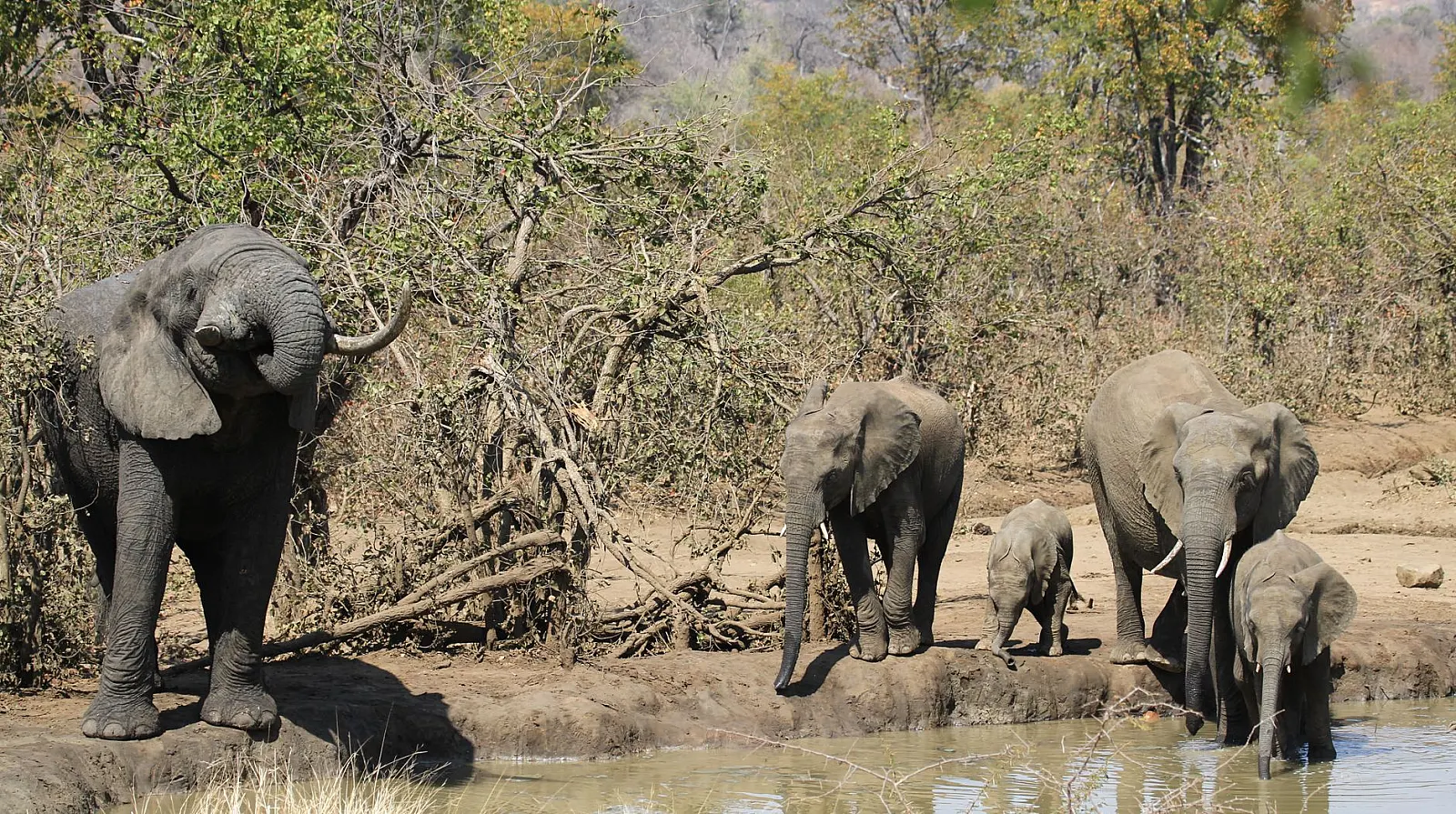
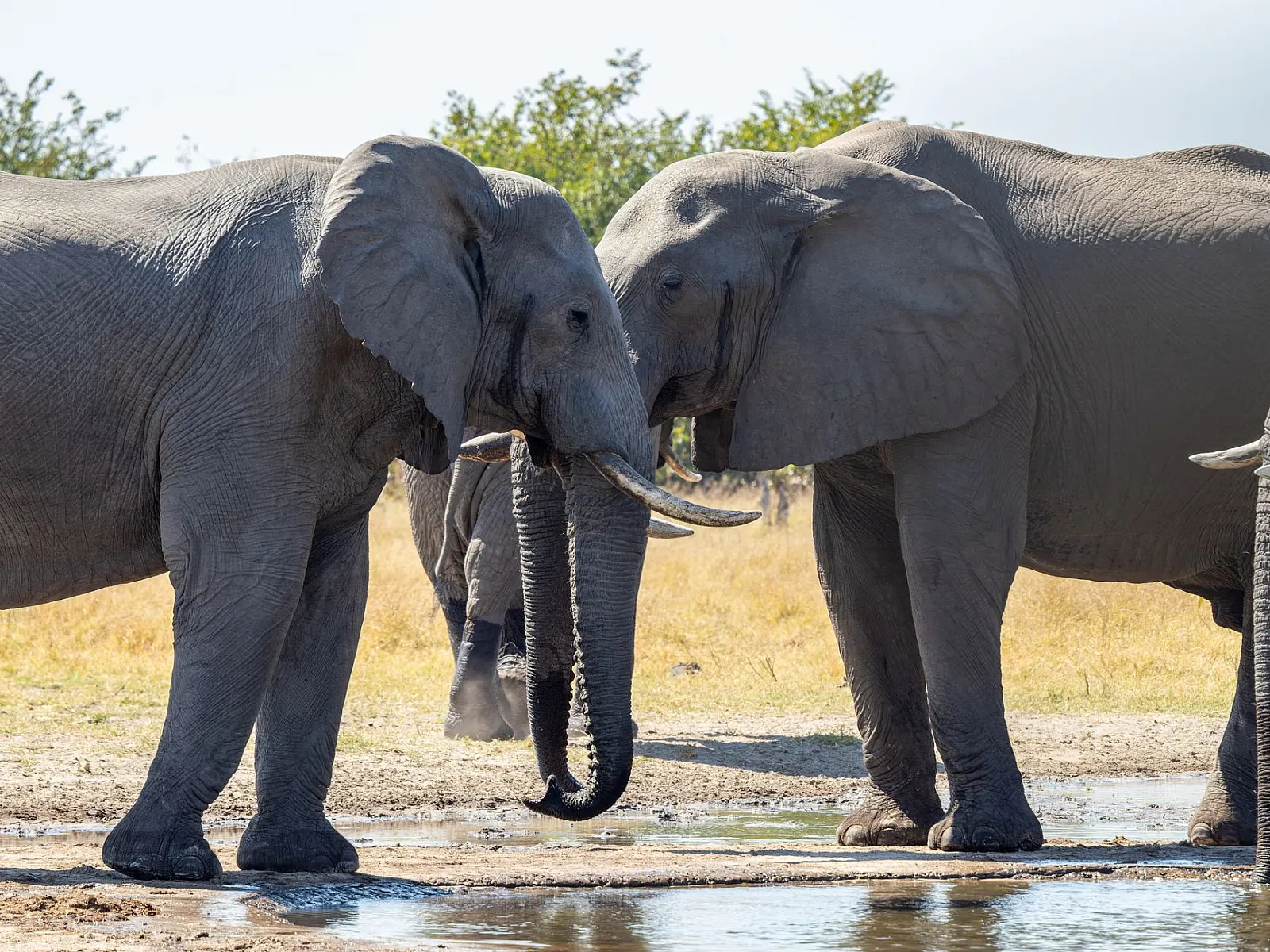
This is Zimbabwe's most important timing fact and it turns on a piece of geography. Hwange National Park has no perennial river running through it. It sits on Kalahari sand at the edge of the desert, and natural surface water is confined to seasonal pans that dry out completely. What keeps the park's wildlife alive through the dry months is an artificial network of pumped waterholes, supplied from boreholes by diesel and solar pumps maintained by the Zimbabwe Parks and Wildlife Management Authority and by conservation partners.
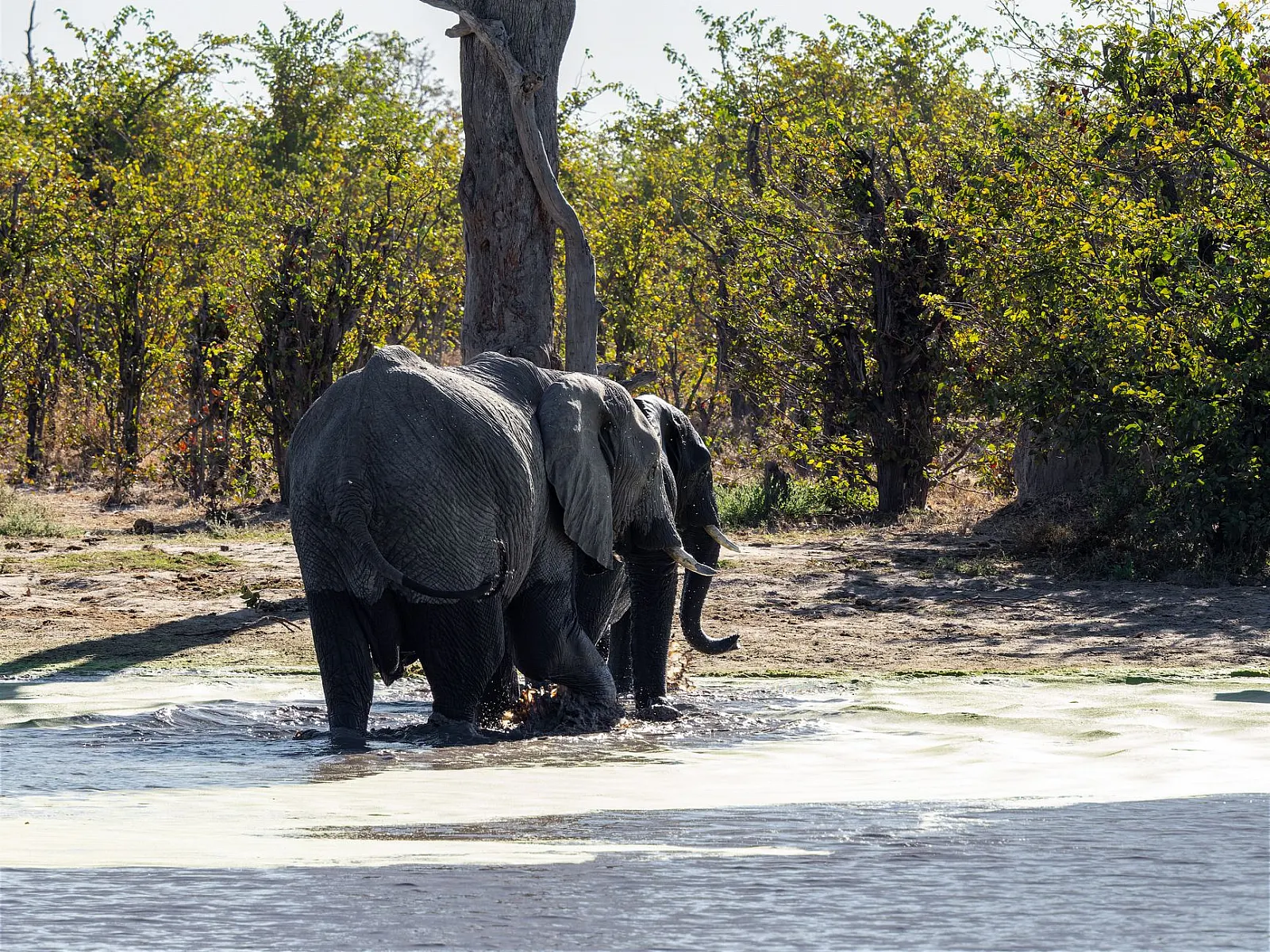
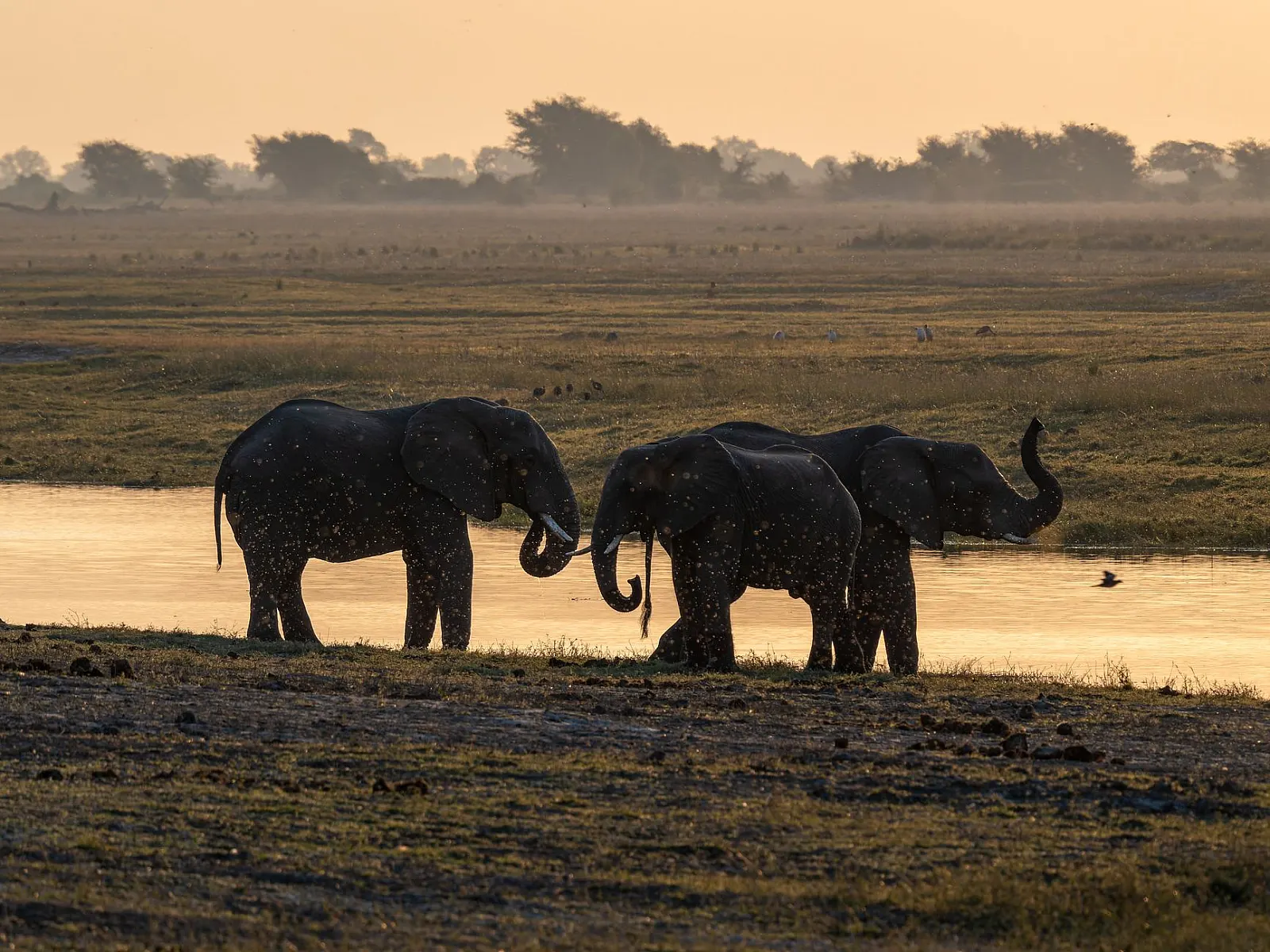
The consequence is one of the most reliable wildlife spectacles in Africa. By August, September and October, the park's very large elephant population — Zimbabwe's biggest, and among the largest concentrations anywhere — is forced onto a finite set of known pumped pans. Sitting at a waterhole in October produces sightings that no amount of driving in February will match.
In the wet season the mechanism reverses. Rain fills hundreds of natural pans across the park's 14,650 km², game disperses across the whole area, grass grows tall, and Hwange becomes a genuinely difficult park to game view in.
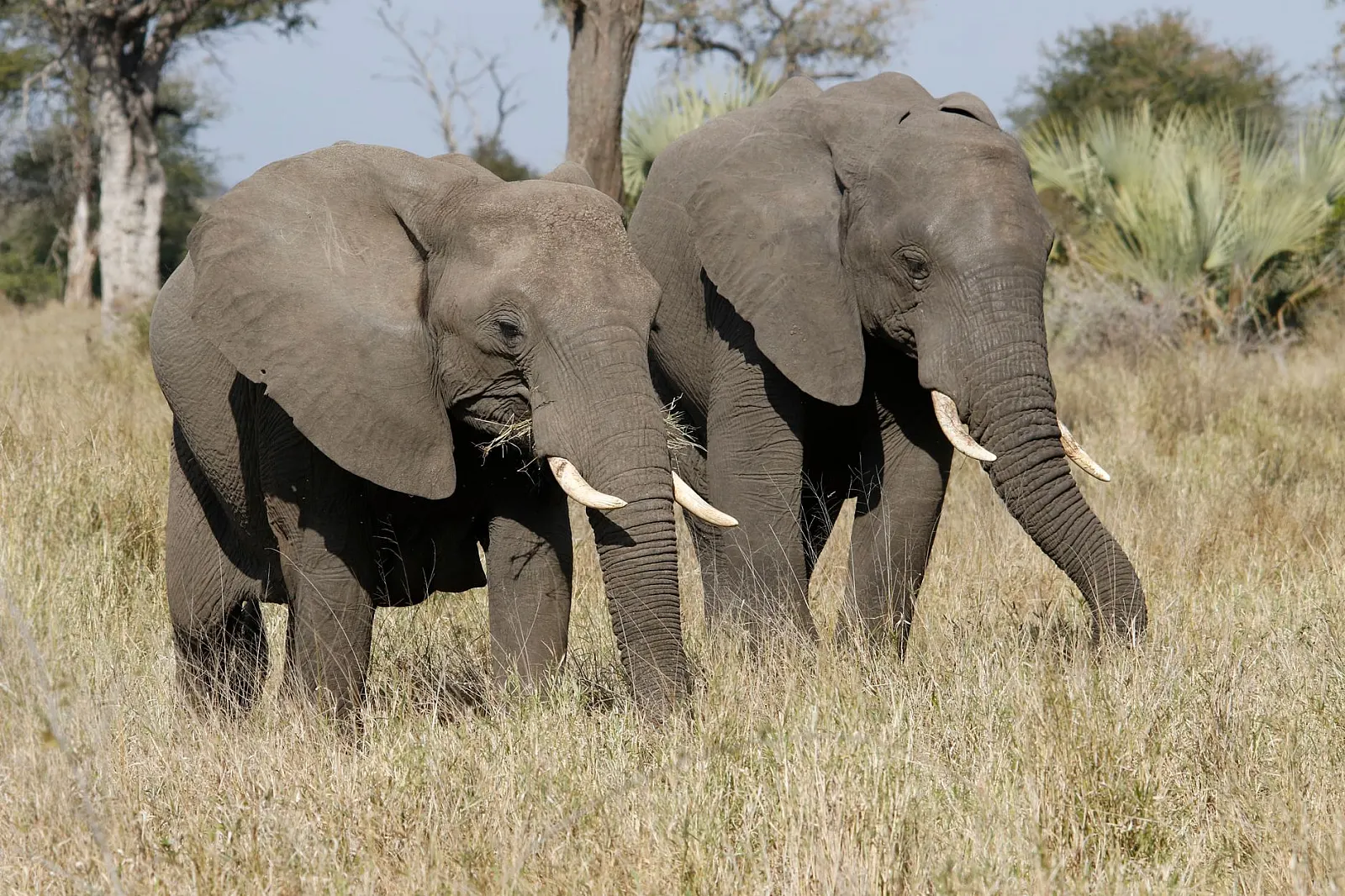
When is the best time for Mana Pools?
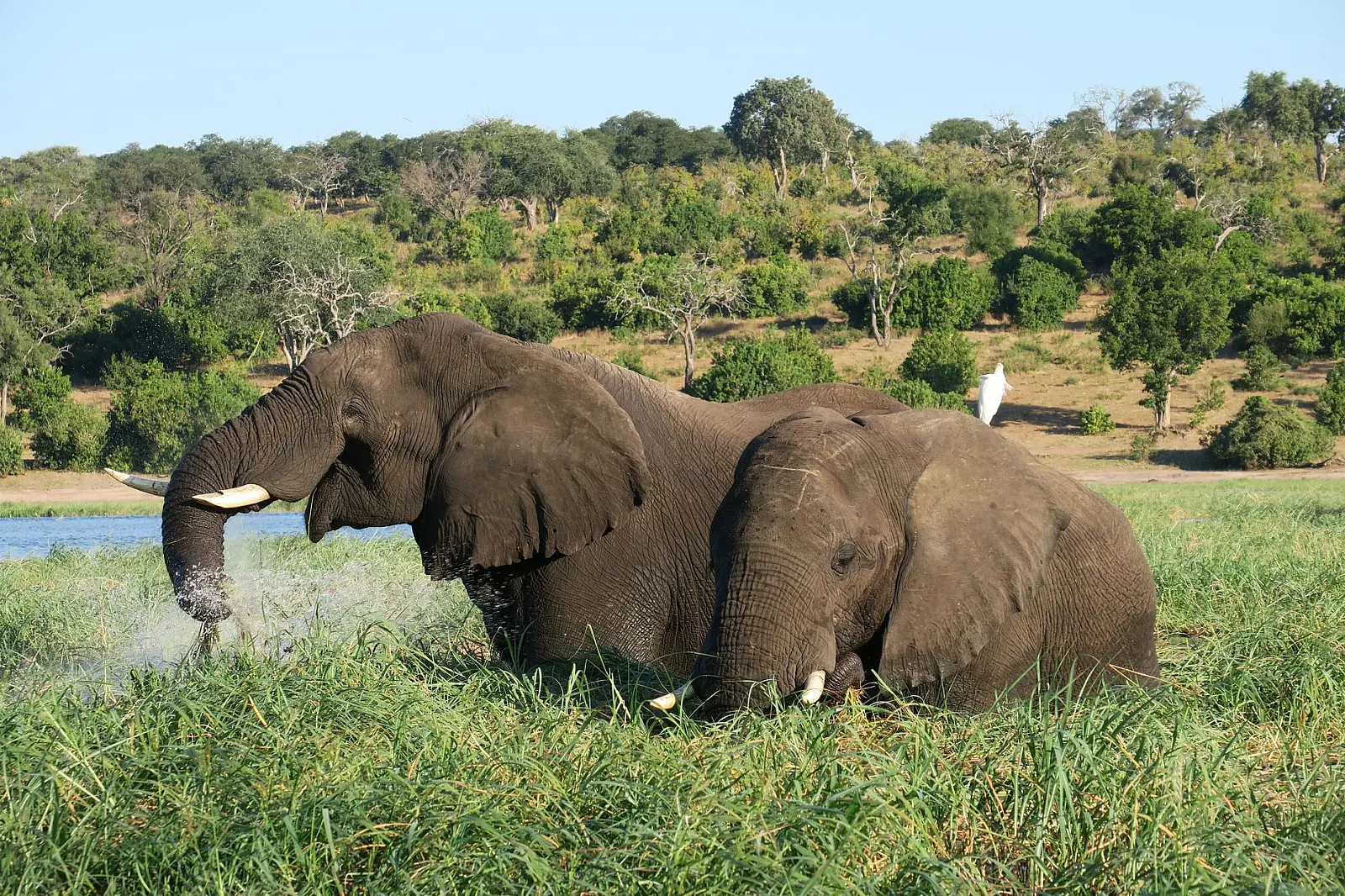
Mana Pools works on a different mechanism — a permanent river rather than pumped water — but arrives at the same answer. As the floodplain dries, game moves down onto the Zambezi terraces, where the open albida woodland allows the walking and canoeing safaris the park is known for. The famous sight of elephants standing on their hind legs to reach seed pods is tied to the Faidherbia albida pod fall, generally in the later dry season around September and October.
Mana Pools is largely inaccessible in the rains. Access roads become impassable and most camps close, typically from around late November or December until April.
Zimbabwe month by month
| Month | Season | Game viewing | Crowds & price | Notable |
|---|---|---|---|---|
| January | Wet, peak rain | Poor; game dispersed | Lowest; most camps closed | Mana Pools closed |
| February | Wet | Poor | Lowest | Zambezi flow rising fast |
| March | Wet, easing | Poor to fair | Low | Landscapes at their greenest |
| April | Rains ending | Fair to good; camps reopen | Shoulder | Victoria Falls usually at or near peak flow |
| May | Dry, cooling | Good | Rising | Grass drying back |
| June | Dry, cold nights | Very good | High | Frost possible on the highveld |
| July | Dry, cold nights | Very good | Peak | Hwange pans busy |
| August | Dry, warming | Excellent | Peak | Prime Mana Pools walking |
| September | Dry, hot | Excellent | Peak | Albida pods drop; elephants reaching up for them |
| October | Dry, very hot | Outstanding — but 40°C+ | High | Hwange waterhole concentration at maximum |
| November | First storms; hot | Declining; camps begin closing | Falling | Zambezi typically near its annual low |
| December | Wet | Poor | Low | Green season; excellent birding |
When should you visit Victoria Falls from the Zimbabwean side?
The Zambezi River Authority monitors flow at Victoria Falls gauging stations. The river peaks around April and reaches its minimum around November. Zimbabwe holds the Main Falls, the section that retains water most reliably, so the Zimbabwean bank is the better choice in a low-water year — the practical difference between the two countries' viewpoints is greatest in October and November.
High water from March to May gives maximum volume and sound but spray dense enough to obscure the falls themselves, and a thorough soaking. Low water from September to December gives clear photographs of the full 1.7 km rock face and enables activities impossible at high flow. Neither is "the best time" — they are different experiences, and pages that claim otherwise are choosing for you.
When is the best time for birding in Zimbabwe?
Birding peaks November to March, in direct opposition to the big-game season. Migrants arrive, waterbirds breed on the Zambezi and Kariba, and Hwange's filled pans hold waders. Raptor viewing and Kariba's fish eagle and waterbird populations remain excellent year-round. Birders visiting Zimbabwe in December accept weak mammal viewing in exchange for the year's best birding — a defensible trade, provided it is a deliberate one. A late-November trip is the usual compromise: early migrants have arrived, but the dry-season game concentrations have not yet fully dispersed.
When should you NOT go on safari in Zimbabwe?
January and February are the worst months. The rains are at their heaviest, Mana Pools and much of the remote camp network are closed, Hwange's game is spread across the entire park because rain-filled pans have removed the reason to visit a waterhole, grass is at maximum height, dirt roads deteriorate badly, and malaria risk in the Zambezi Valley is at its seasonal peak. This is the one period where a Zimbabwe safari is unlikely to deliver, whatever you pay.
December and March are marginal for the same reasons, though March improves through the month and Victoria Falls is building impressively.
The counter-case is narrow but real: the green season produces Zimbabwe's finest landscape photography, particularly in the Matobo Hills, where the granite kopjes and rhino tracking work year-round and the scenery is transformed by rain. If Matobo and the Eastern Highlands rather than Hwange and Mana are your destination, a January trip is not a mistake.
Finally, the same heat caveat as Zambia and Botswana applies to October. It is the best month for game viewing and among the least pleasant for being outdoors. Travellers who dislike heat should choose August, take slightly less concentrated game, and be far more comfortable.