Best Time to Go on Safari in Uganda
Last reviewed 13 September 2026. Uganda straddles the equator and rain is possible in any month; "dry season" here means "less rain", not "no rain".
When is the best time to go to Uganda?
Uganda has no true dry season in the southern-African sense. What it has are two drier windows — June to August and December to February — and these are the best times to visit. Forest trails in Bwindi and Kibale are firmer, savanna tracks in Murchison Falls and Queen Elizabeth are passable, and grass is lower.
What are Uganda's rainy seasons?
The Uganda National Meteorological Authority works to a bimodal pattern over most of the country: a first rainfall season of March–April–May (MAM) and a second of roughly September–November, sometimes extending into December (SOND). Northern districts additionally see a June–August rainfall season, and the pattern shifts from bimodal near the equator toward unimodal further from it. National annual rainfall ranges from about 500 mm to 2,800 mm depending on location.
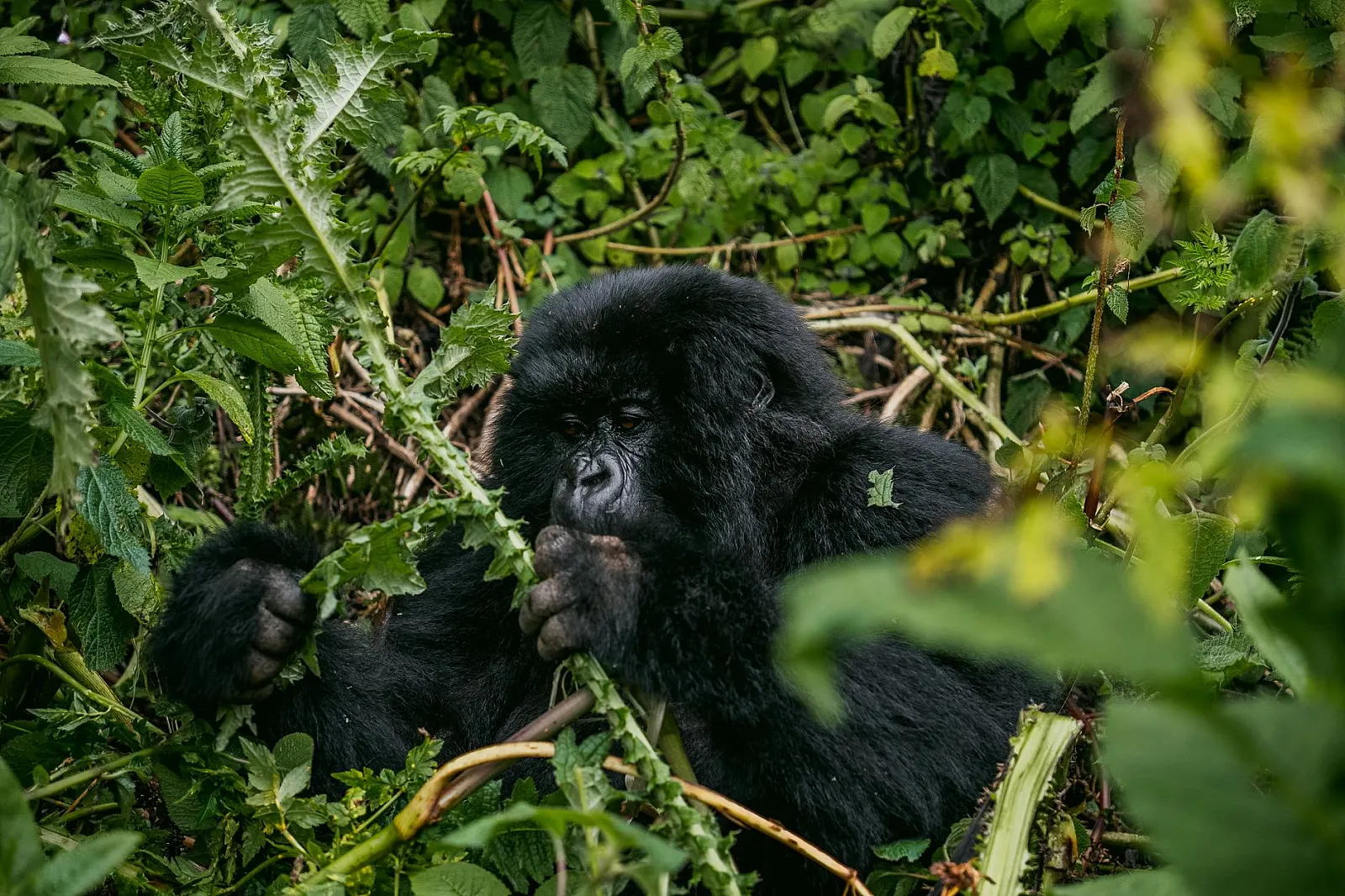
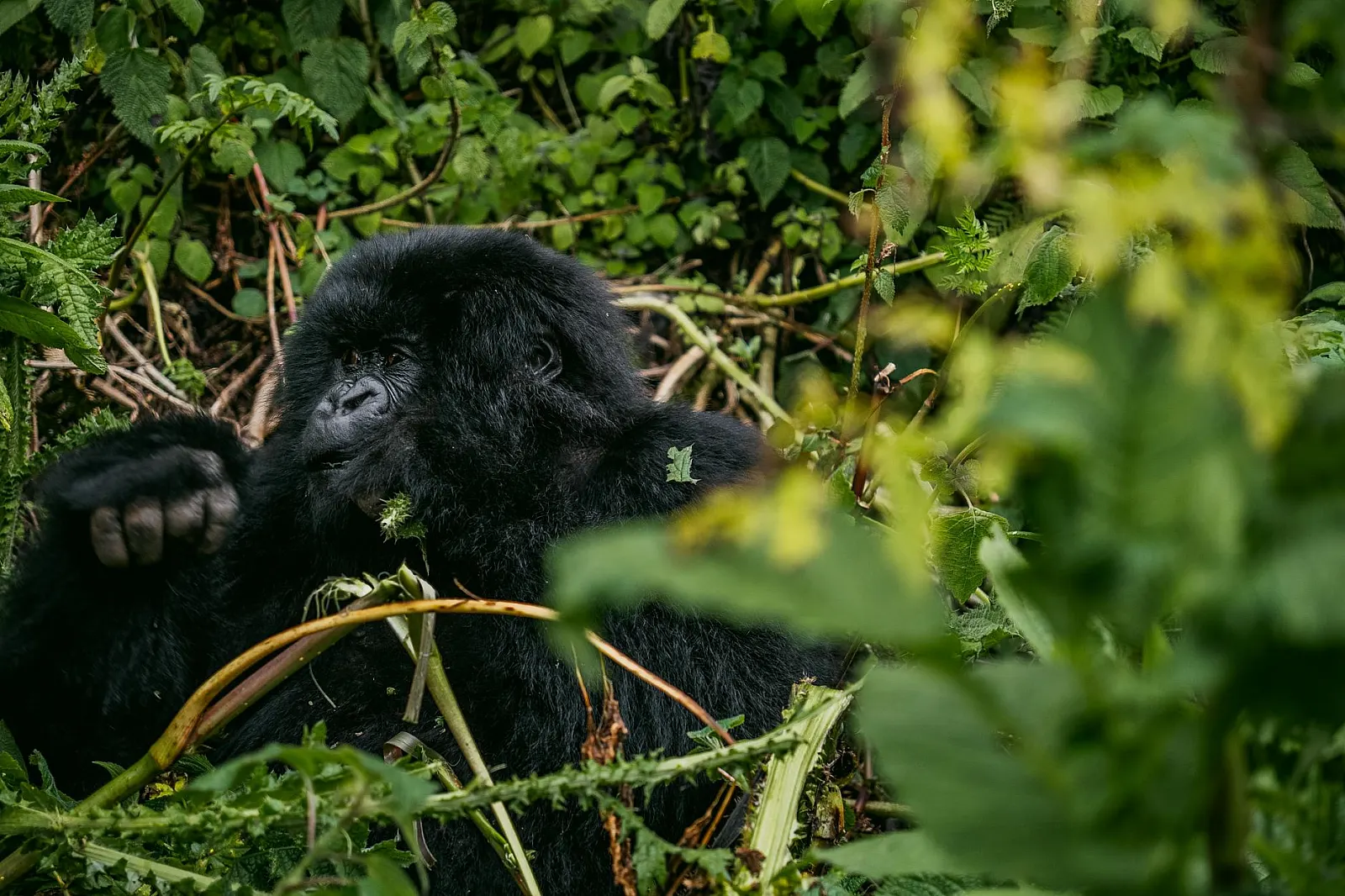
The montane rainforests that hold the gorillas — Bwindi Impenetrable and Mgahinga — sit at the wet end of that range. Bwindi receives rain in every month of the year. This matters: there is no month in which you can plan on dry trekking conditions, only months where the odds are better.
What does the season mean for gorilla trekking?
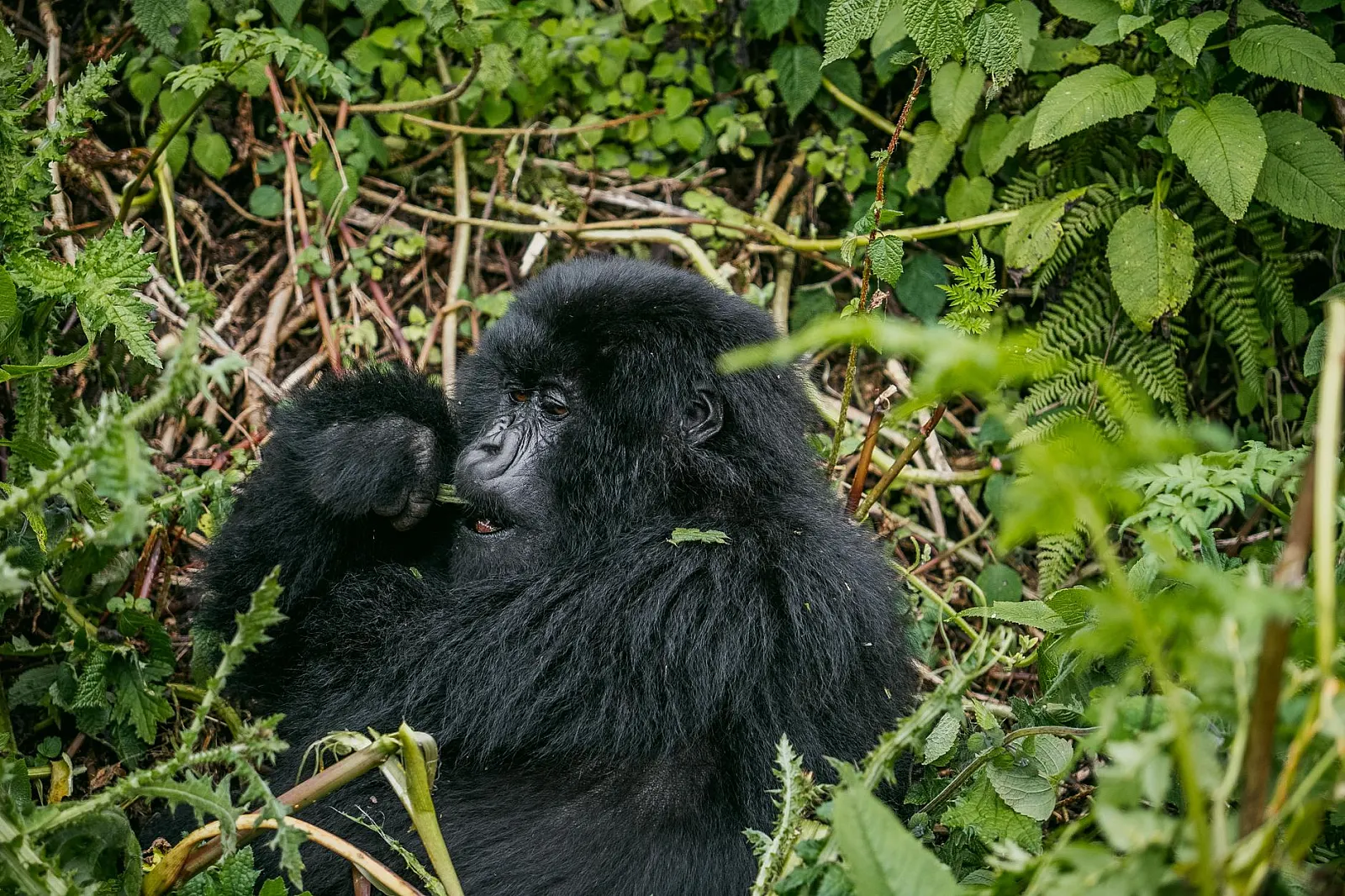
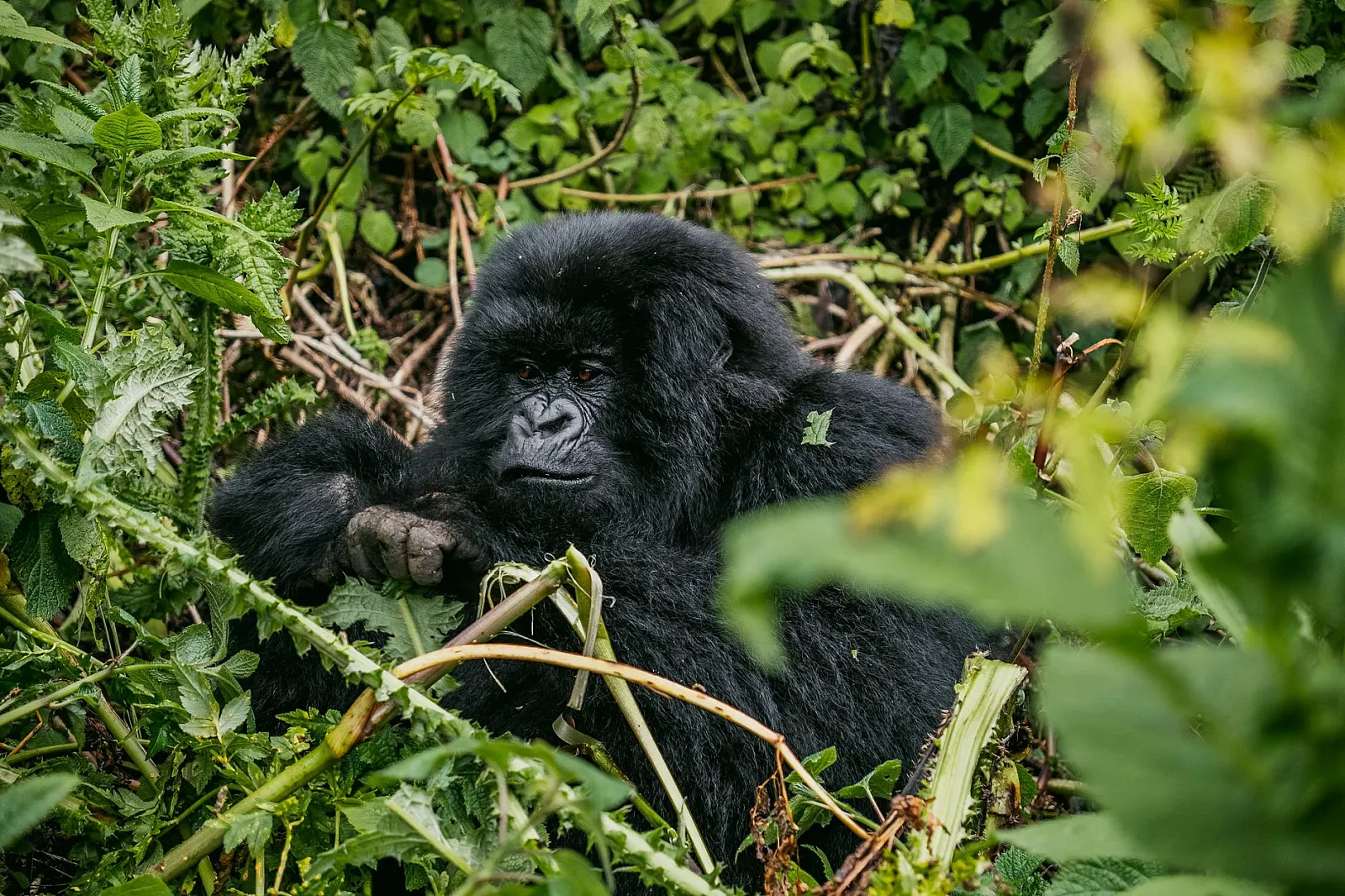
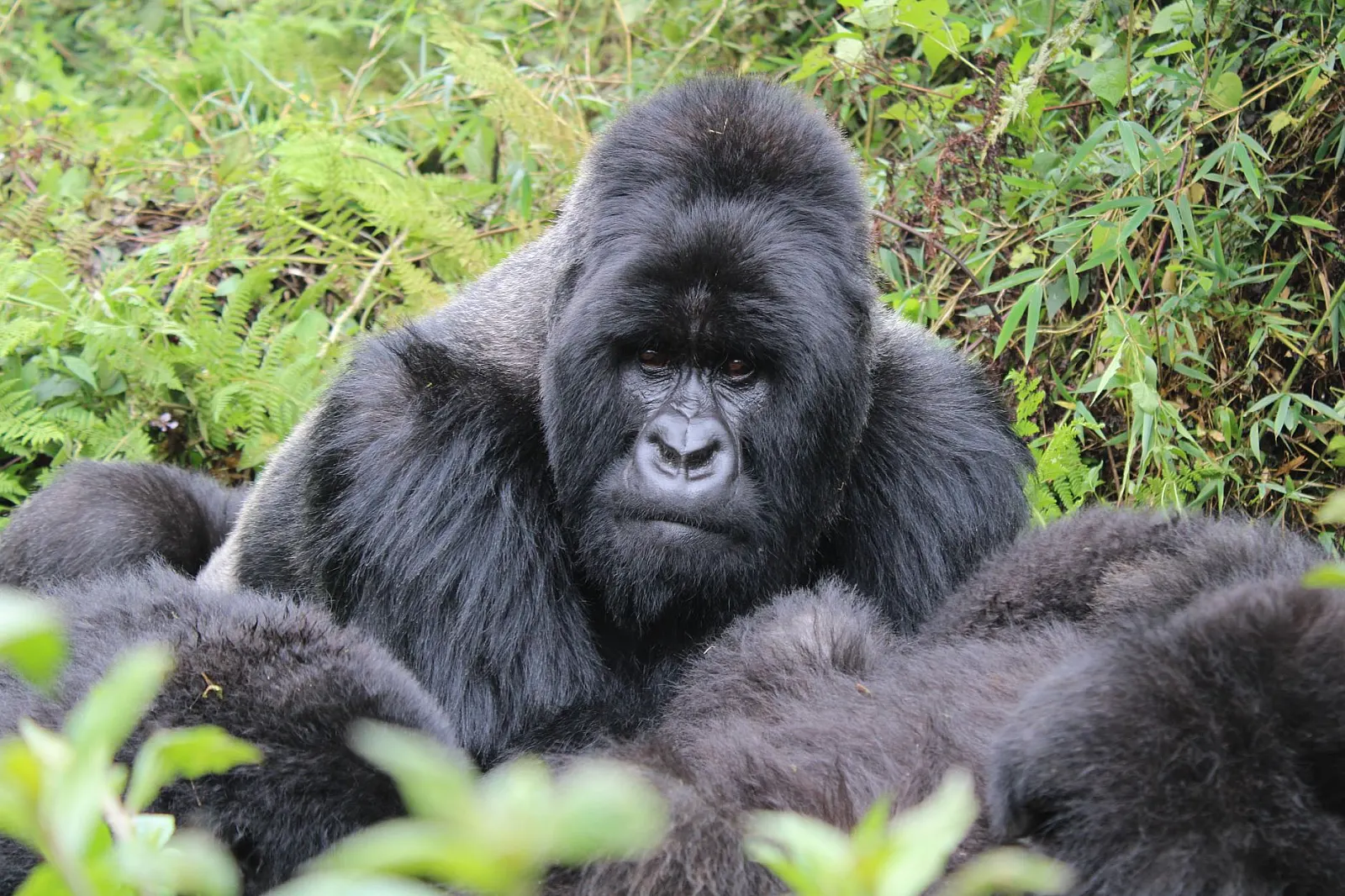
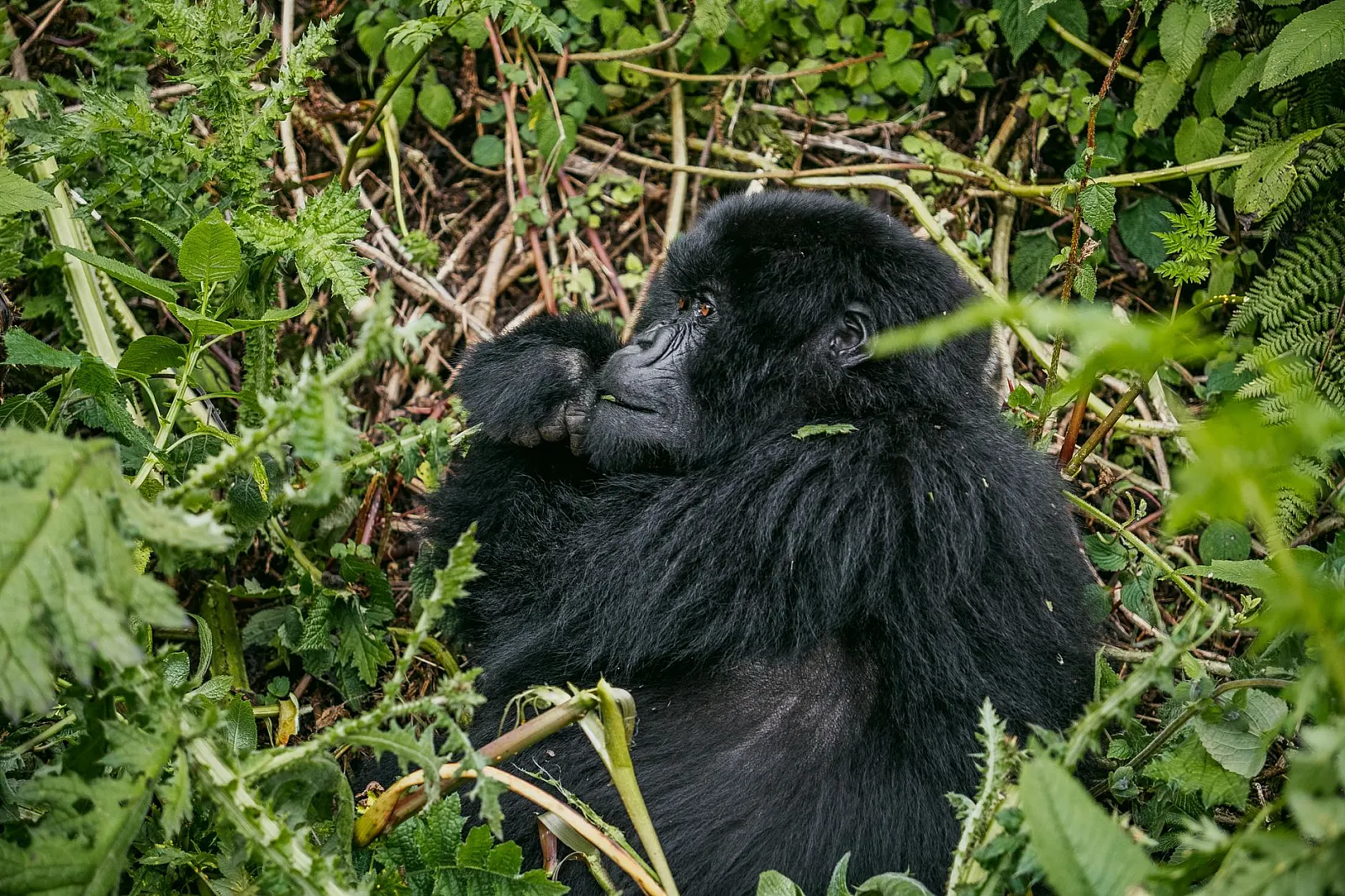
Gorilla trekking runs year-round in Bwindi and Mgahinga; the Uganda Wildlife Authority issues permits for every day of the year. Season affects the experience, not the availability:
- Drier months (Jun–Aug, Dec–Feb). Steep forest trails are less slippery, which matters more than most people expect — Bwindi treks involve serious gradient in dense vegetation. Photography is better with more light reaching the forest floor.
- Wetter months (Mar–May, Sep–Nov). Trails turn to deep mud, treks take longer, and cameras need protection. Gorillas remain findable — the trackers locate the families daily regardless — so success rates stay high. What changes is your comfort, not your chances.
One genuine wet-season advantage: UWA has introduced discounted low-season gorilla permits covering the wettest months. Reported details vary between sources and the tariff has been revised more than once recently, so check the current rate and conditions directly with the Uganda Wildlife Authority rather than relying on any third-party page, including this one. Discounted permits have been reported as non-reschedulable.
What about the savanna parks?
Murchison Falls, Queen Elizabeth, Kidepo Valley and Lake Mburo behave more conventionally. Drier months concentrate game near the Victoria Nile, the Kazinga Channel and remaining waterholes, and lower grass improves visibility. Wet months disperse game and can make murram tracks difficult, particularly in Kidepo's far north-east. The Kazinga Channel boat cruise — Uganda's most reliable single wildlife experience — works year-round.
Chimpanzee tracking in Kibale also runs year-round. Chimp movements are driven by fruiting trees rather than by rain, so season affects walking conditions more than success. Kibale's own drier windows mirror the national ones.
Uganda month by month
| Month | Season | Trekking & game viewing | Crowds & price | Notable |
|---|---|---|---|---|
| January | Drier | Good; firmer trails | High early, then moderate | One of the two best trekking windows |
| February | Drier, hot | Good | Moderate | Often driest month in the south |
| March | Long rains begin | Declining through month | Falling | Trails soften |
| April | Long rains peak | Hardest trekking of the year | Lowest; discounted permits reported | Wettest month in much of Uganda |
| May | Long rains | Hard trekking; lush | Low; discounted permits reported | Excellent birding |
| June | Drier window begins | Improving | Rising | Trails firming |
| July | Drier | Good | High | Peak international season |
| August | Drier | Good | High | Peak season; book permits well ahead |
| September | Second rains begin | Mixed | Moderate | Rain returns to the south-west |
| October | Second rains | Wet, muddy trails | Low | Green, quiet |
| November | Second rains easing | Wet but improving late | Low; discounted permits reported | Migrant birds present |
| December | Drier | Good | Low, then high from ~20 Dec | Second-best trekking window |
When is the best time for birding in Uganda?
Uganda is one of Africa's best birding countries and, unusually, its birding season does not conflict badly with its wildlife season. The peak is November to April, when Palearctic migrants are present and resident species breed — overlapping the December–February drier window. Albertine Rift endemics in Bwindi and the Rwenzoris are resident year-round. Shoebill viewing in the Mabamba wetland works throughout the year, though access by canoe through the papyrus channels depends on water level.
The birder's optimum in Uganda is therefore late November to February: migrants present, trails at their most workable, and gorilla trekking in its better window. That is a rare alignment.
When should you NOT go to Uganda?
April is the hardest month, with May and October close behind. Rain is heaviest, Bwindi's trails become genuinely punishing, savanna tracks in Murchison and Kidepo can be cut, and internal flights are more prone to weather delays. If you have a fixed one-week trip and limited mobility, April is the month to move.
But Uganda has the weakest case of any country here for a hard "don't go". The gorillas are there every day of the year, the trackers find them every day of the year, permits are cheaper, lodges are emptier, the landscape is spectacular, and the birding is at its best. The honest framing is: April and May cost you comfort, not the experience. If you are reasonably fit, have good boots and gaiters, and can accept a four-hour muddy trek instead of a two-hour one, the wet season is a legitimate choice — and one that many repeat visitors deliberately make.
The one thing that should not be gambled on is permit availability in July, August and December. Gorilla permits are strictly capped by family and by day, and the peak months sell out far in advance. Booking late in high season is a bigger risk to your trip than rain ever is.