Elephant Pepper Camp is run by the Elewana Collection in the Mara North Conservancy, which borders the Maasai Mara National Reserve to the north and covers a core block of more than 70,000 acres leased from Maasai landowners since 2009. The camp is unfenced and pitched under a stand of ebony and elephant pepper trees, with Maasai askaris escorting guests after dark. Tents include family and honeymoon units. Activities are game drives, guided bush walks, night drives and bush sundowners, all of which the conservancy permits and the national reserve does not. The kitchen works to a northern Italian repertoire, a house style shared with Elewana's Tortilis Camp in Amboseli.
What sets it apart
It is one of the older camps in Mara North and keeps a deliberately low-built, forest-shaded footprint rather than the raised-deck format most of its neighbours have adopted.
Who it suits
Classic bush-camp feel; walking and night drives; couples.
The essentials
| Country | Kenya |
| Where | Mara North Conservancy, Greater Maasai Mara, Narok County |
| Property type | tented camp (seasonal; closes in the April–May rains) |
| Rooms | 8 tented suites per Go2Africa, including family and honeymoon configurations; Elewana's own page describes the tent types but does not publish a total, so the figure rests on the third-party source alone |
What it costs
No rate is published on the property's own site. Third-party reseller range only, not an official published rate: "$825–$1,227 per person sharing" per https://www.go2africa.com/accommodation/elephant-pepper-camp, as listed September 2026.
A reseller's range tells you the bracket, not the price you would pay. We show it because it is the only public figure that exists, and we label it rather than present it as the property's own.
About the photographs
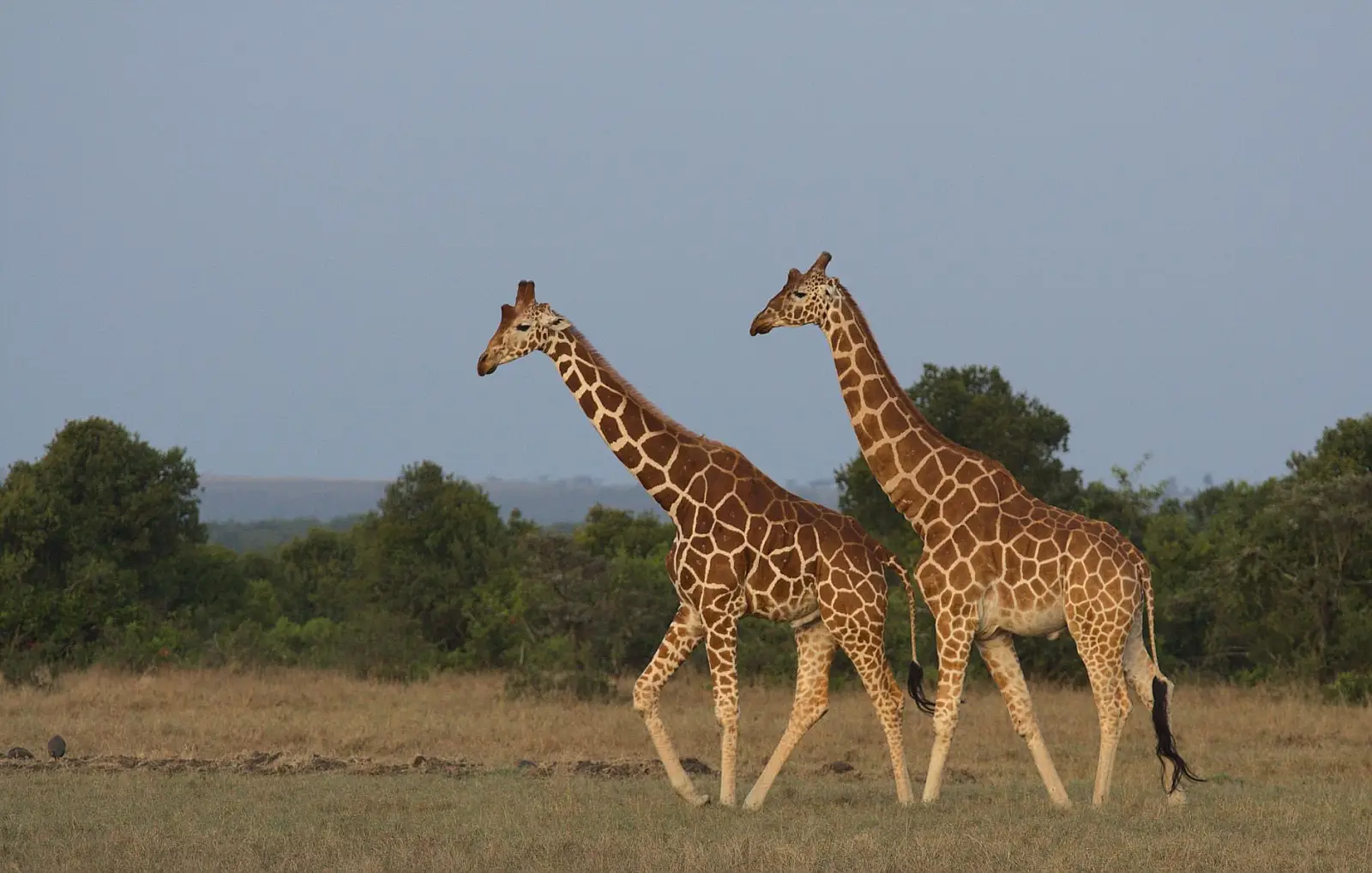
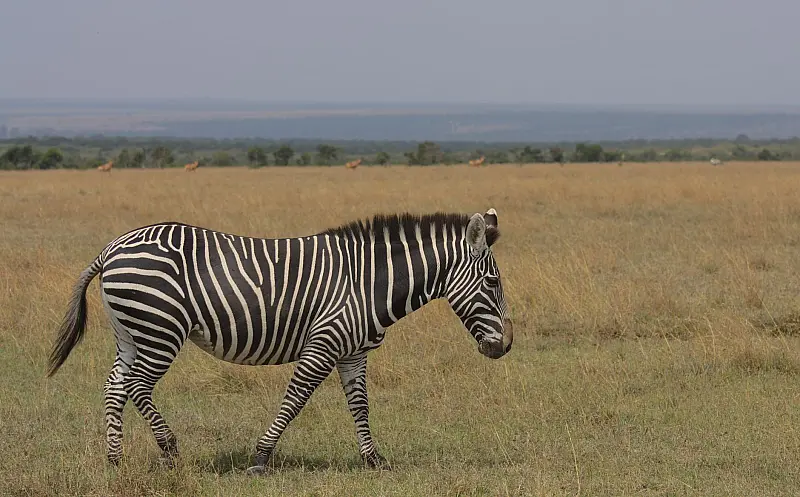
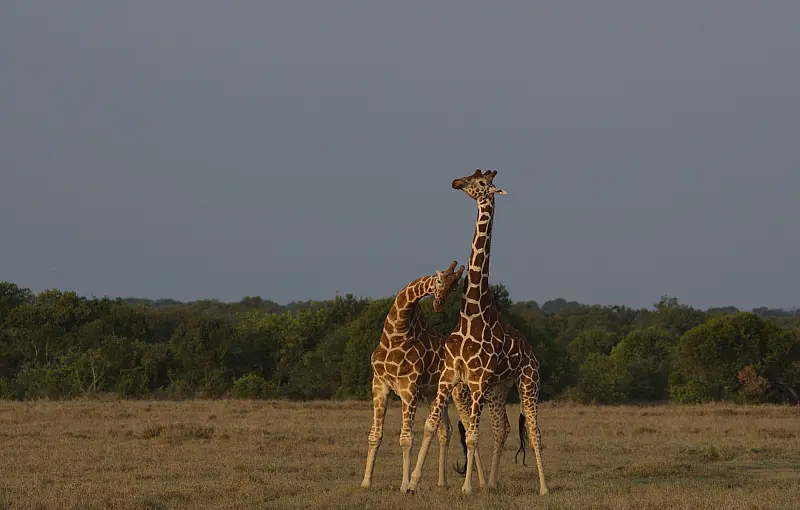
The pictures on this page are stock photographs of African bush and desert country, chosen to suggest the kind of landscape you find around the Laikipia plateau below Mount Kenya. They are not photographs of this property, and we cannot verify where any of them was taken — a stock library records the photographer, not the place. We use them rather than borrow the property's own marketing images, which would imply we had been there. For pictures of the rooms, see the property's own site.