Best Time to Go on Safari in Zambia
Last reviewed 13 September 2026. Zambia has the most strongly seasonal camp-opening pattern of any major safari country; opening dates vary by camp and by year.
When is the best time to go on safari in Zambia?
June to October, and specifically August to October for the classic Zambian experience. Zambia is more seasonally closed than its neighbours: a large proportion of camps in South Luangwa, Kafue and the Lower Zambezi physically shut for the rains and reopen somewhere between late May and July. Planning a Zambia trip is therefore as much about what is open as about what the weather is doing.
What are Zambia's seasons?
Zambia has a single, well-defined wet season and a long dry season, described by Zambia Tourism and used consistently across sources:
- Wet season, November to April. Heavy rain, peaking around January to March. Locally called the emerald season or green season.
- Cool dry season, May to August. Clear, dry, cold nights — genuinely cold in the Luangwa and on the Kafue plains in June and July.
- Hot dry season, September and October. The driest and hottest period, with October regularly exceeding 40°C in the valleys.
Why do so many Zambian camps close?
Because access, not comfort, is the constraint. Zambia's premier areas are remote, served by dirt airstrips and unsurfaced tracks that the rains render unusable. In South Luangwa, game-viewing roads are typically not graded until around early June, so even in late May driving is restricted. Bush camps — the small seasonal walking camps the Luangwa is known for — generally operate only within the dry window and are dismantled or mothballed for the rest of the year. In Kafue, the Busanga Plains are usually only reachable by vehicle from around July, once floodwater has receded enough.
Not everything closes. A number of permanent lodges in South Luangwa stay open through the emerald season, and some operators run wet-season safaris using boats on the Luangwa River to reach areas that vehicles cannot. This is a genuine, distinctive product — but it is a different trip, not a cheaper version of the same one.
What does each season mean for game viewing?
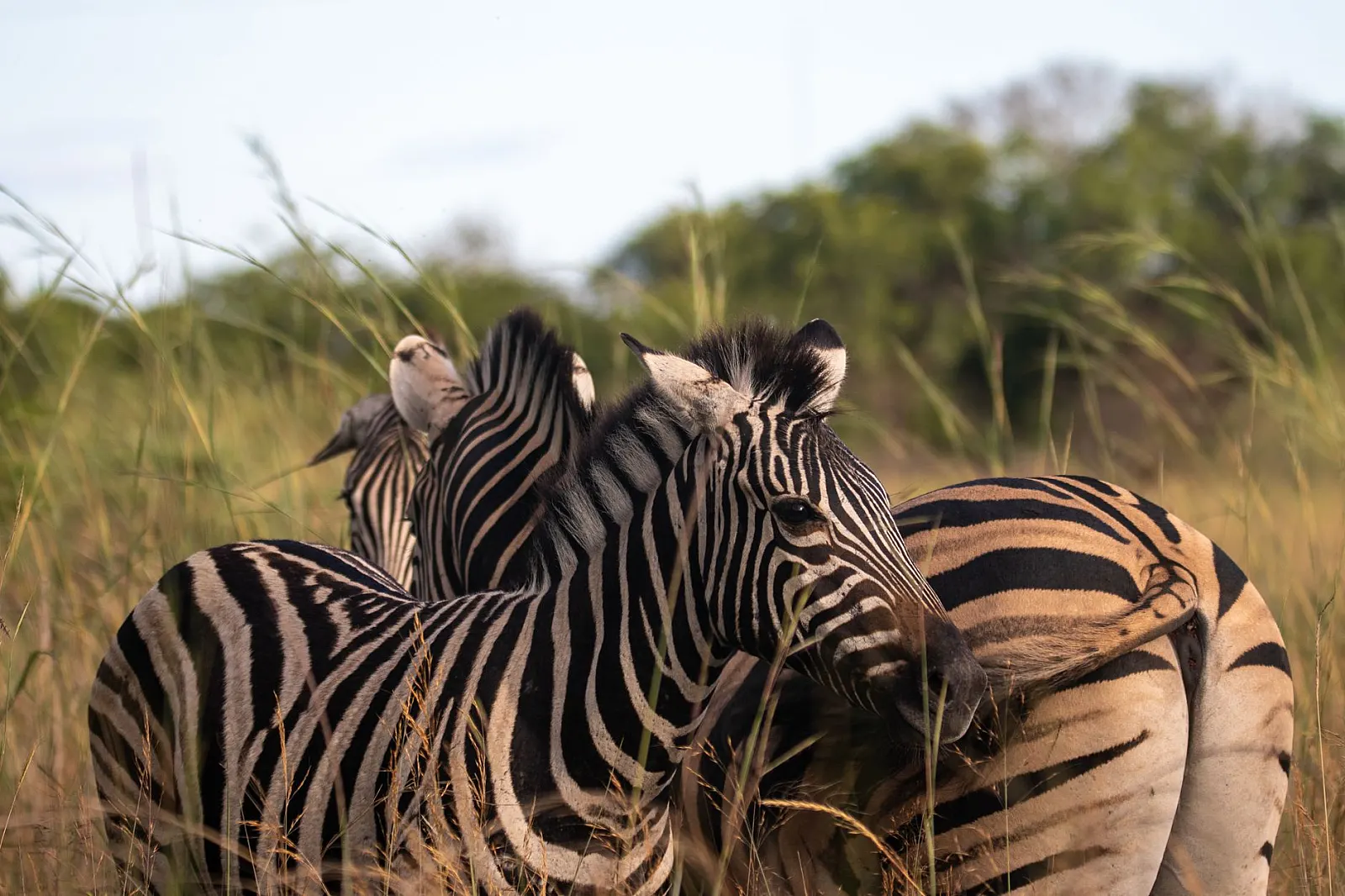
Dry season. The Luangwa River shrinks to a chain of sandbanks and lagoons, and everything comes to it. Grass dies back, which is what makes Zambian walking safaris work — visibility on foot is the safety and quality constraint, and it is only acceptable once the grass is down. Leopard sightings in the Luangwa are exceptional in September and October. By the end of the dry season, water is so concentrated that sightings become close to predictable.
Emerald season. Within days of the first rains the valley turns brilliant green. Grass grows head-high, game disperses, many tracks flood, and general game viewing becomes poor by dry-season standards. Birding, by contrast, is spectacular, and the landscape photography is unmatched.
Zambia month by month
| Month | Season | Game viewing | Crowds & price | Notable |
|---|---|---|---|---|
| January | Emerald, peak rain | Poor for general game | Lowest; most camps closed | Many roads impassable |
| February | Emerald, peak rain | Poor | Lowest; most camps closed | Usually wettest month |
| March | Emerald, easing | Poor to fair | Lowest | Zambezi flow building toward peak |
| April | Rains ending | Fair; first camps reopen | Low | Victoria Falls usually at peak flow — spray may obscure the view |
| May | Dry, cooling | Good; roads drying | Rising | Grass still tall; camps reopening |
| June | Dry, cold nights | Very good; walking begins | Moderate | Luangwa roads usually graded by now |
| July | Dry, cold nights | Very good | High | Busanga Plains usually accessible from this month |
| August | Dry, warming | Excellent | Peak | Prime walking safari conditions |
| September | Dry, hot | Excellent | Peak | Carmine bee-eater colonies on Luangwa riverbanks |
| October | Dry, very hot | Outstanding — but 40°C+ | High | Falls at or near lowest on the Zambian side |
| November | First rains; very hot | Mixed; camps begin closing | Falling | Lowest Zambezi flows typically around now |
| December | Rains | Poor for classic safari | Low; most camps closed | Emerald season begins |
When should you visit Victoria Falls from the Zambian side?
Zambia's side of the Falls is the more seasonally variable of the two, and choosing badly produces genuine disappointment. The Zambezi River Authority monitors flows at Victoria Falls; the long-term mean annual flow there is around 1,100 m³/s, and the river peaks around April and reaches its minimum around November, when average flow is a small fraction of the April figure.
The trade-off is real and not usually stated honestly:
- High water (Mar–May). Maximum volume and thunder, but spray can be so dense that you see very little of the actual falls, and you will get soaked.
- Low water (Sep–Dec). Clear views of the gorge and rock face, but the Zambian side can reduce to a trickle in a low year — the eastern cataract dries first. This is also when Devil's Pool and Livingstone Island swimming operate, which is impossible at high water.
If the falls are your priority rather than the safari, the Zimbabwean bank holds water more reliably at low flow.
When is the best time for birding in Zambia?
Birding peaks November to April — exactly when the camps are shut and general game viewing is at its worst. Migrants arrive, herons and storks breed, and the floodplains of the Kafue, Bangweulu and Liuwa fill. Two events bridge the calendars usefully: the carmine bee-eater breeding colonies that excavate the Luangwa's exposed riverbanks from around September into November, and Liuwa Plain's wildebeest gathering and associated birdlife toward the start of the rains. A late-October or early-November trip gets serious birding and still-workable game viewing.
When should you NOT go on safari in Zambia?
Zambia has the clearest "do not go" of any country covered here: January to March. Rain is at its heaviest, the majority of camps are closed, roads and airstrips are unusable, grass is at maximum height, game is fully dispersed, and malaria risk is at its seasonal peak. This is not a quiet season with bargains — for much of the country it is a genuinely closed season.
The nuanced version: if you specifically want an emerald-season experience, book with one of the permanent South Luangwa lodges that stays open, expect boat-based rather than vehicle-based safaris, go for the birds and the landscape, and accept that you will see fewer large mammals. Approached that way it is rewarding. Approached as a first safari, it will disappoint.
The second honest caution is October. It produces the best game viewing of the year and is also brutally hot — 40°C or more in the Luangwa Valley, with midday activity impossible and walking confined to early morning. Travellers sensitive to heat should take August or early September instead and accept marginally less concentrated game.