Desert Rhino Camp is a Wilderness camp in the Palmwag Concession, an area of roughly 600,000 hectares of basalt plains and euphorbia scrub that holds one of the largest free-ranging black rhino populations left outside a national park. The camp runs in direct partnership with Save the Rhino Trust, and its signature activity is tracking black rhino on foot with the Trust's own trackers, with guest fees helping fund the tracker programme. Other activities are nature drives, walking trails, stargazing and night game viewing. Desert-adapted elephant, lion, giraffe, oryx and Hartmann's mountain zebra also occur. Twyfelfontein is about 90 minutes away. Accommodation is canvas-and-stone suites with views over the plains.
What sets it apart
Tracking black rhino on foot with Save the Rhino Trust trackers is the camp's whole purpose and is not offered anywhere else in this form.
Who it suits
Black rhino tracking on foot; conservation-funded travel; remote desert landscapes.
The essentials
| Country | Namibia |
| Where | Palmwag Concession, Damaraland / Kunene Region |
| Property type | tented camp |
| Rooms | `unverified` — the operator's accommodation section says six canvas-and-stone suites including one family unit, while the FAQ on the same page refers to "just eight tents". Go2Africa lists room types but no total. |
What it costs
Desert Rhino Camp publishes its own rates. Published on the official site: fully inclusive rates "range from $710–$1,262" per person per night, per https://www.wildernessdestinations.com/africa/namibia/damaraland/desert-rhino-camp, as listed September 2026.
Rates move by season and are almost always quoted per person per night sharing, so read the property's own page before you budget.
About the photographs
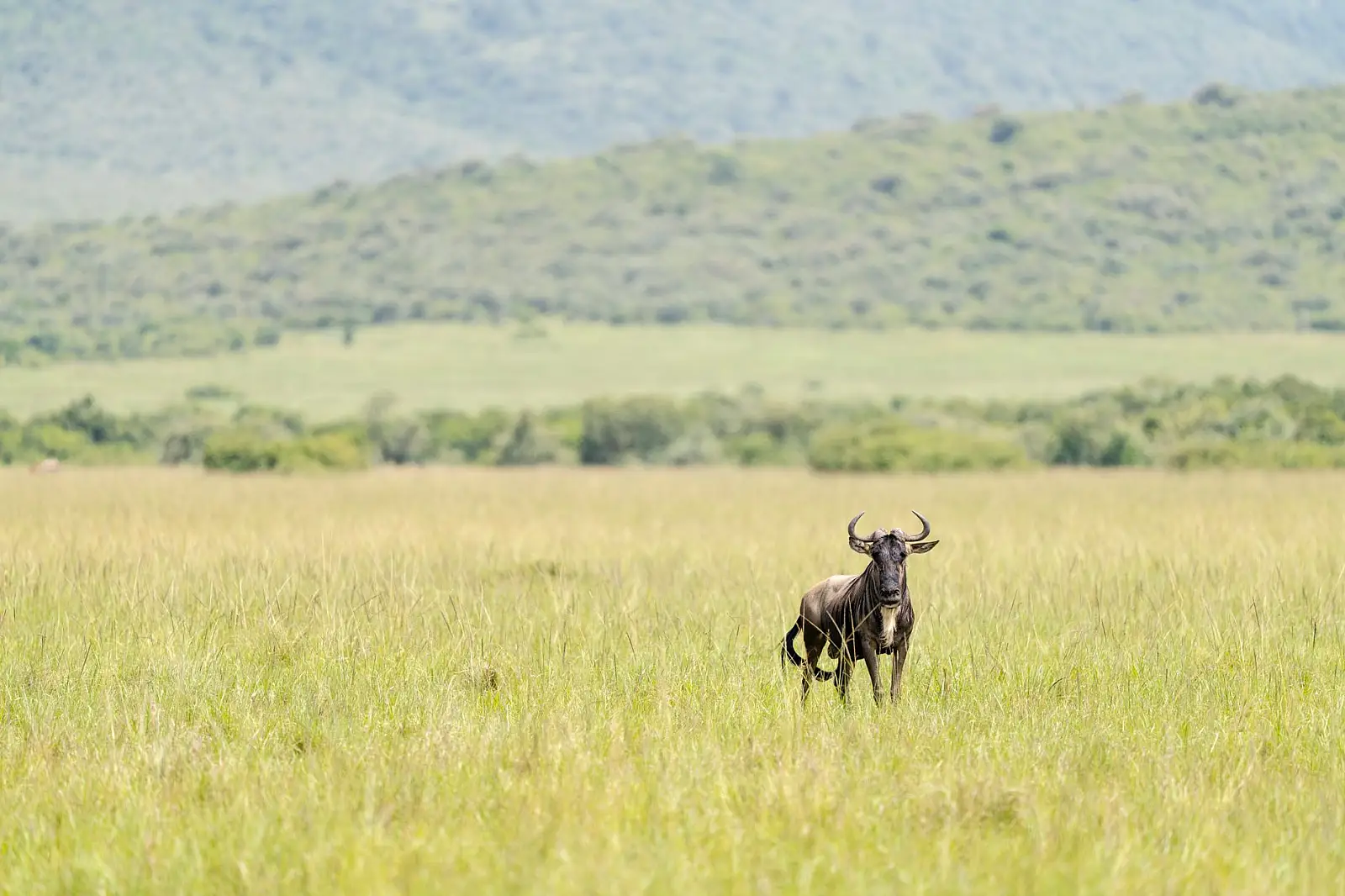
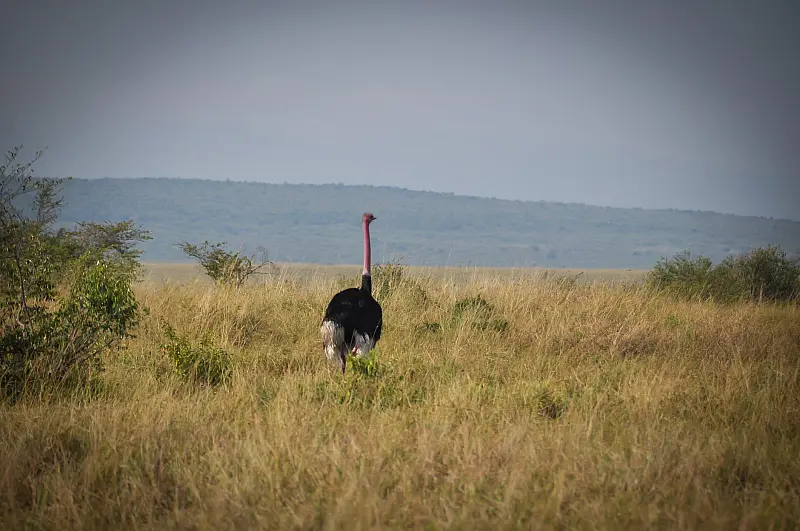
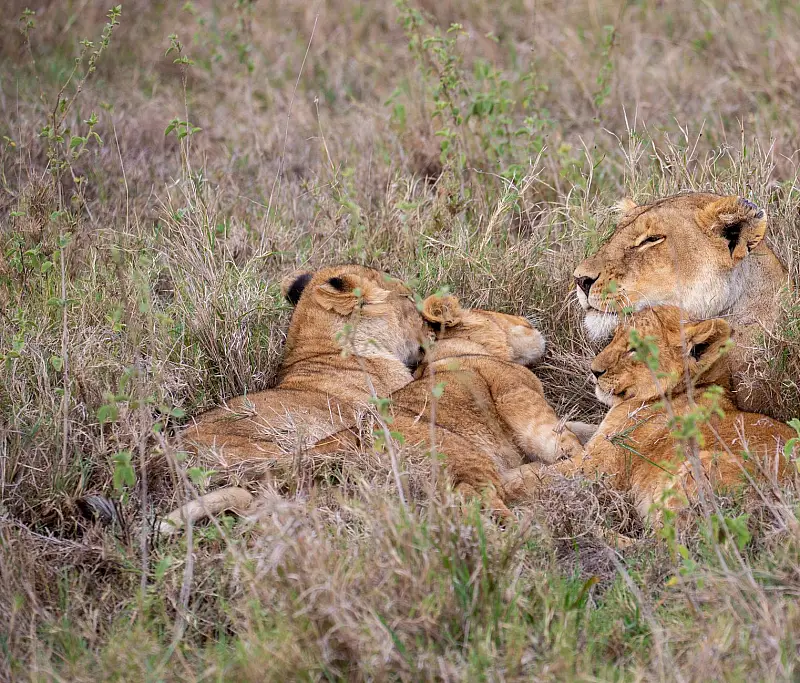
The pictures on this page are stock photographs of African bush and desert country, chosen to suggest the kind of landscape you find around the Greater Maasai Mara, Kenya. They are not photographs of this property, and we cannot verify where any of them was taken — a stock library records the photographer, not the place. We use them rather than borrow the property's own marketing images, which would imply we had been there. For pictures of the rooms, see the property's own site.