Doro Nawas is a Wilderness camp in the Doro !Nawas Conservancy, built on a rise above the dry Aba-Huab River with views to the Etendeka mountains. Rooms are stone, canvas and thatch with verandas, and beds can be wheeled outside for sleeping under the stars; the main building has a rooftop terrace and a pool set among rocks. It is the closest of the Wilderness camps to Twyfelfontein, the rock-engraving site inscribed as Namibia's first UNESCO World Heritage Site, and also to the Petrified Forest, Burnt Mountain and Organ Pipes. Activities are nature drives, guided walks, tracking desert-adapted elephant along the riverbeds, night and scorpion walks, stargazing and visits to the Damara Living Museum.
What sets it apart
It is the Wilderness camp positioned specifically for Twyfelfontein and the surrounding geological sites, rather than for game density.
Who it suits
Twyfelfontein rock art; desert-adapted elephant; sleeping out under the stars.
The essentials
| Country | Namibia |
| Where | Doro !Nawas Conservancy, northern Damaraland, on the edge of the dry Aba-Huab River near Twyfelfontein |
| Property type | tented camp (stone, canvas and thatch) |
| Rooms | 16 rooms including a family suite. Note: the operator's own FAQ section on the same page refers to 18 tents, which contradicts the 16 given in its accommodation section; Go2Africa also says 16. |
What it costs
Doro Nawas Camp publishes its own rates. Published on the official site: "June-October 2026: $702" per person per night fully inclusive, per https://www.wildernessdestinations.com/africa/namibia/damaraland/doro-nawas-camp, as listed September 2026.
Rates move by season and are almost always quoted per person per night sharing, so read the property's own page before you budget.
About the photographs
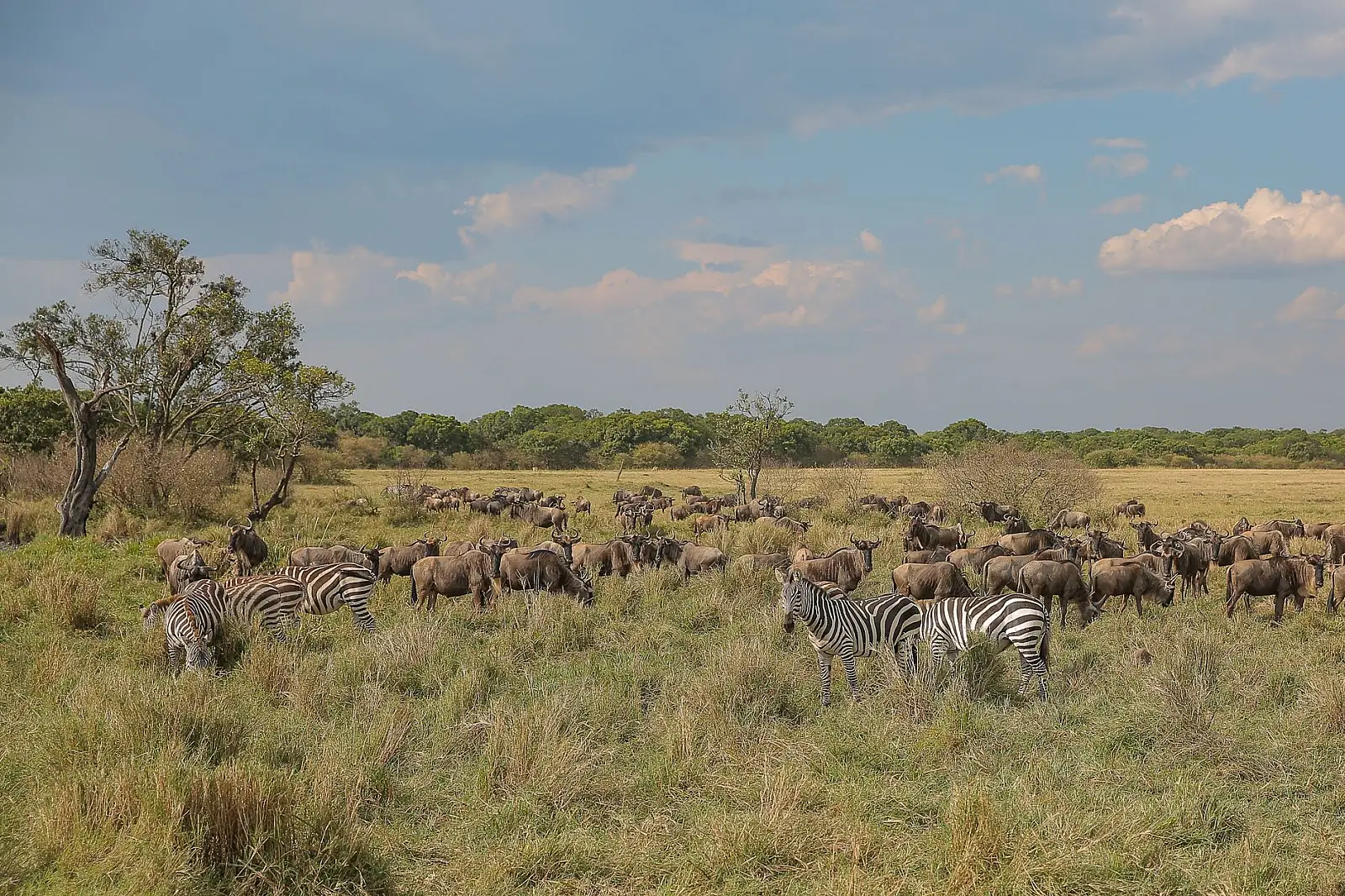
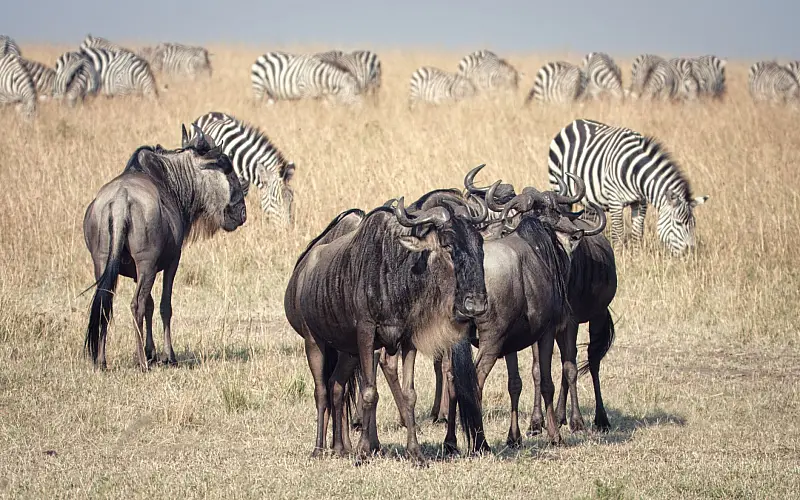
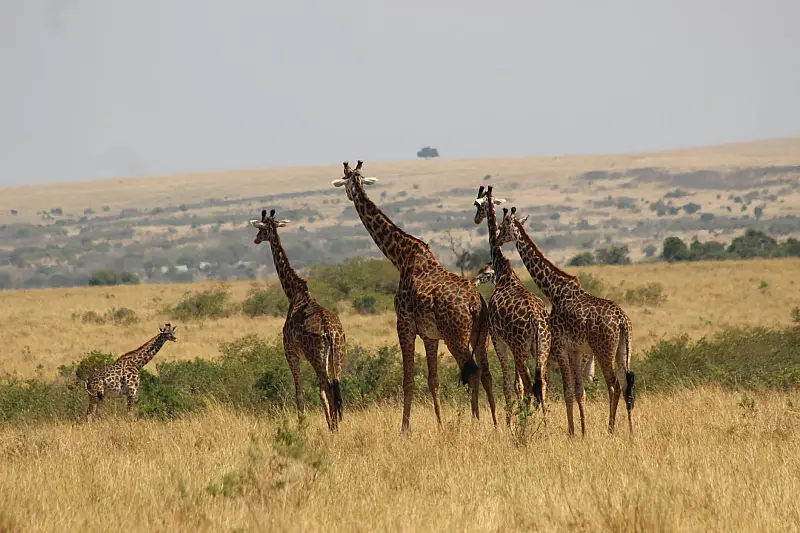
The pictures on this page are stock photographs of African bush and desert country, chosen to suggest the kind of landscape you find around the Greater Maasai Mara, Kenya. They are not photographs of this property, and we cannot verify where any of them was taken — a stock library records the photographer, not the place. We use them rather than borrow the property's own marketing images, which would imply we had been there. For pictures of the rooms, see the property's own site.