Kenya vs Tanzania for a First Safari
Which country is easier for a first safari?
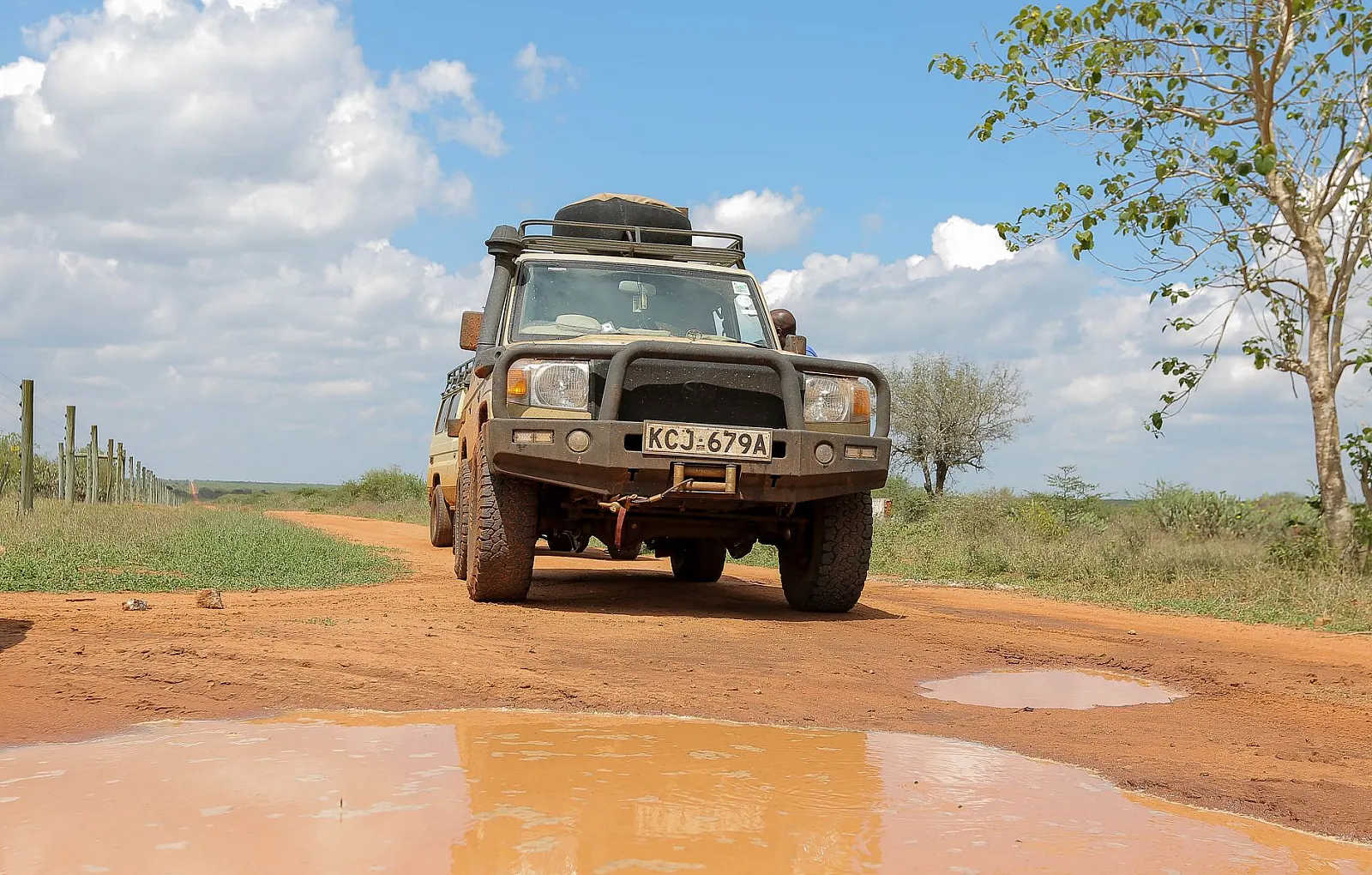
Kenya, in most cases, and the reason is geometry rather than quality. Nairobi is a large international hub with a dedicated safari airport at Wilson, and the flight to the Masai Mara takes 45 to 60 minutes. The same journey by road is 5 to 6.5 hours. Kenya also puts several genuinely different parks within short hops of each other, so a seven-day trip can reasonably cover the Mara plus Amboseli or Samburu without feeling like a bus tour.
Tanzania's northern circuit is more spread out. Arusha to the central Serengeti is roughly six to eight hours by road, through the Ngorongoro Conservation Area. Flying shortens this but skips the crater, which is on the road route. The practical result is that Tanzania rewards longer trips and punishes short ones. A five-day Tanzania safari spends a large share of itself in transit; a five-day Kenya safari does not.
What does each country actually cost in park fees?
This is where most comparisons go wrong, because the two countries publish fees on different bases. Tanzania National Parks publishes rates excluding 18% VAT; the current tariff states "all charges are VAT (18%) exclusive". Kenyan rates are quoted gross. A naive comparison understates Tanzania by 18%.
| Park | Country | Non-resident adult, per entry | Ticket validity |
|---|---|---|---|
| Masai Mara National Reserve | Kenya | US$100 (1 Jan–30 Jun); US$200 (1 Jul–31 Dec) | 12 hours, 06:00–18:00 |
| Amboseli | Kenya | US$90 published by KWS — see legal note below | 24 hours |
| Tsavo East / Tsavo West | Kenya | US$80 published by KWS | 24 hours |
| Nairobi National Park | Kenya | US$80 published by KWS | 24 hours |
| Serengeti | Tanzania | US$70 net peak / US$60 net low, +18% VAT = US$82.60 / US$70.80 | 24 hours |
| Ngorongoro Conservation Area | Tanzania | US$70.80 including VAT | 24 hours |
| Ngorongoro crater descent | Tanzania | US$295 per vehicle per trip, on top of entry | Per descent |
| Tarangire / Lake Manyara | Tanzania | US$50 net peak / US$45 net low, +18% VAT | 24 hours |
Read that table honestly and the headline is this: Tanzania's individual parks are cheaper to enter, but its flagship experiences stack charges, while Kenya's Mara is the single most expensive gate in either country in the second half of the year. A July Mara day at US$200 costs more than a Serengeti day and a Ngorongoro day combined. Conversely, a Kenyan trip built on Amboseli and Tsavo rather than the Mara is materially cheaper than the Tanzanian northern circuit.
Two fee mechanics change real budgets. The Mara ticket runs 12 hours and does not carry overnight, so three nights usually means four daily fees; Kenya Wildlife Service parks and all Tanzanian parks run 24 hours from entry. And the Ngorongoro crater service fee of US$295 is per vehicle, not per person, so it falls hardest on couples travelling privately and lightly on a full vehicle.
Which country has the better wildlife?
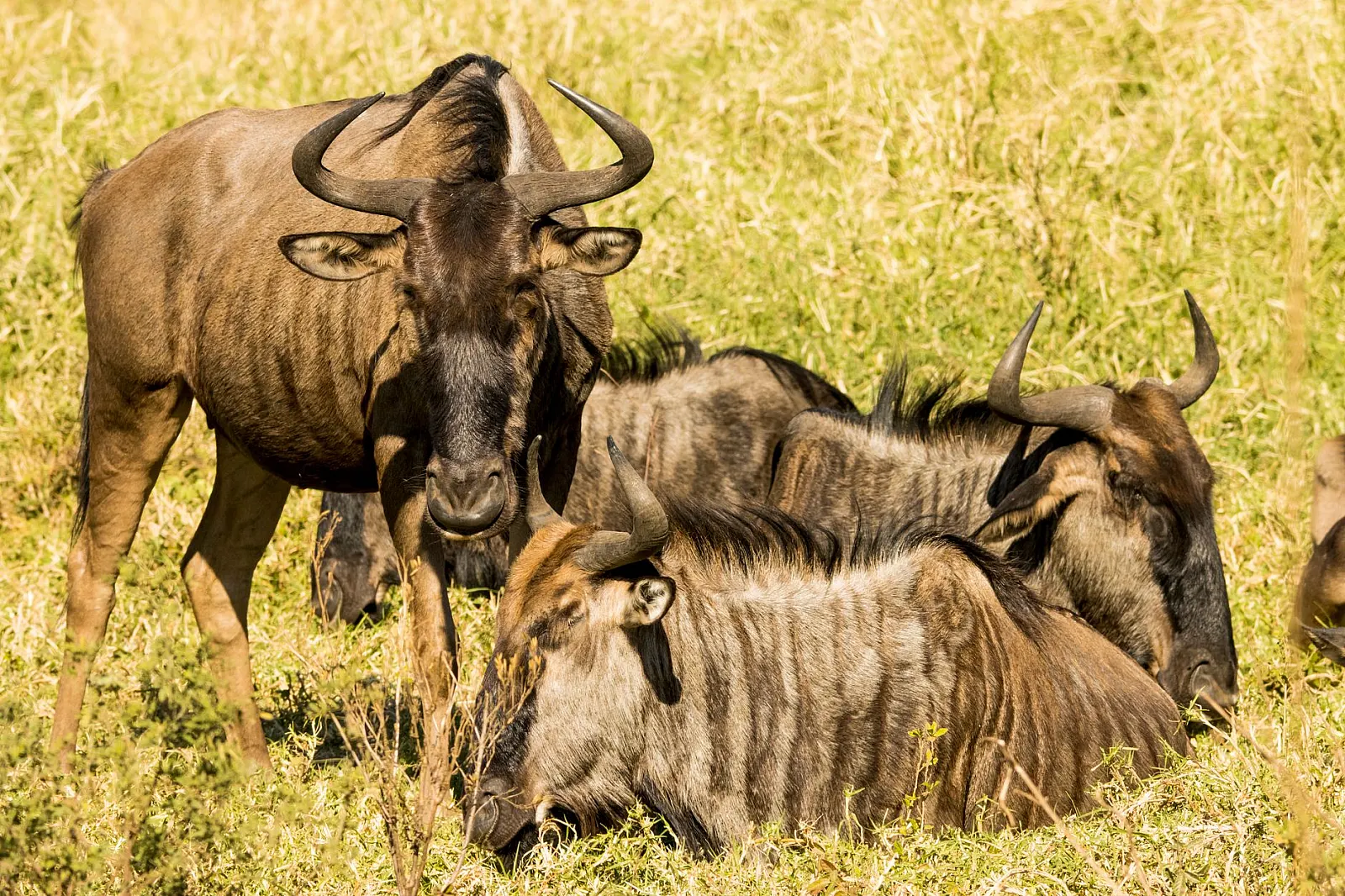
Both are first-rank; the difference is structure. Tanzania offers greater scale and, in the Ngorongoro Crater, the most reliable black rhino sighting in East Africa, inside a caldera of roughly 260 km² holding an estimated 26,000 to 28,000 animals. The Serengeti's 14,763 km² (UNESCO) carries the bulk of a migration of over 1.3 million wildebeest year-round.
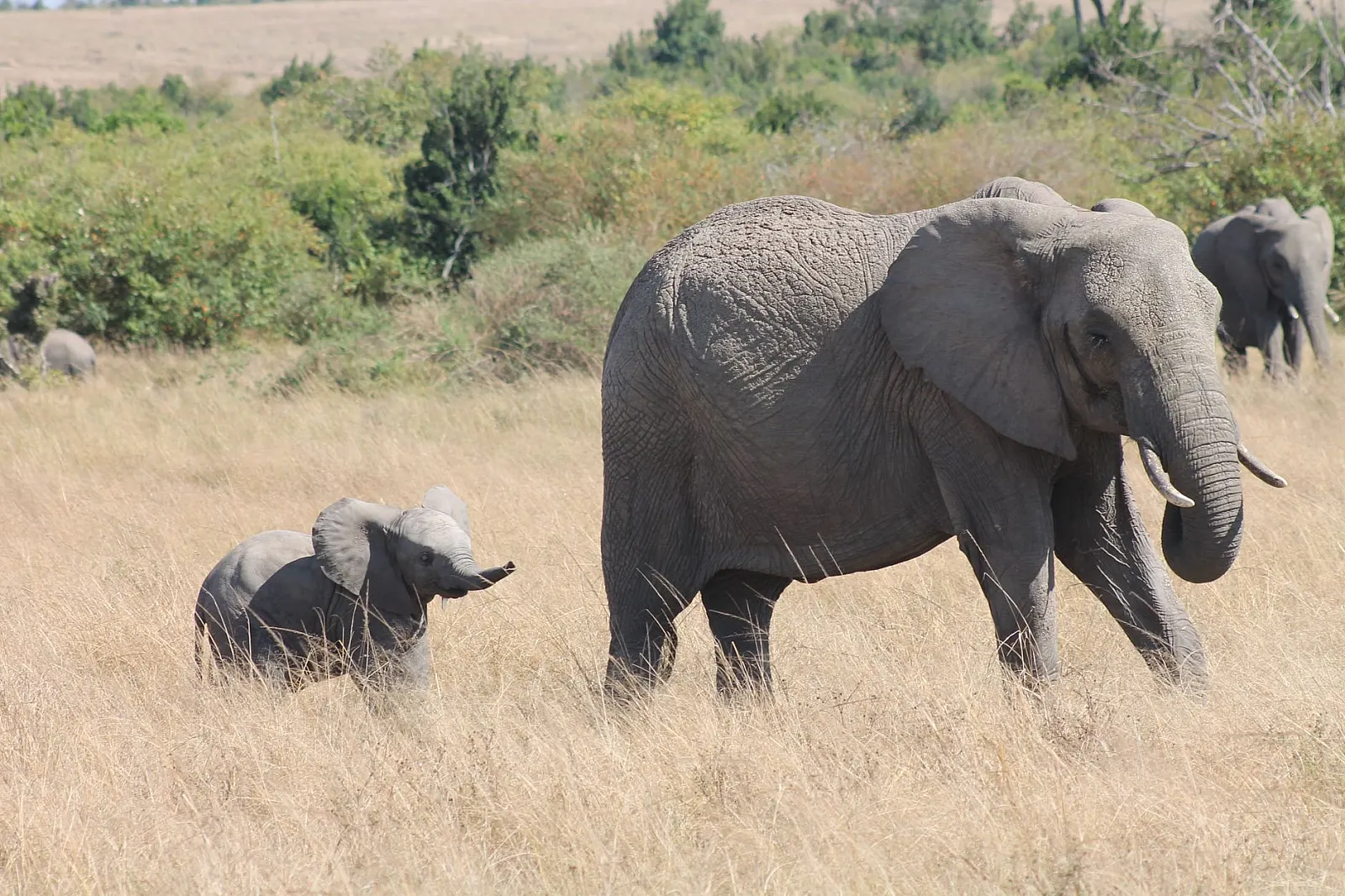
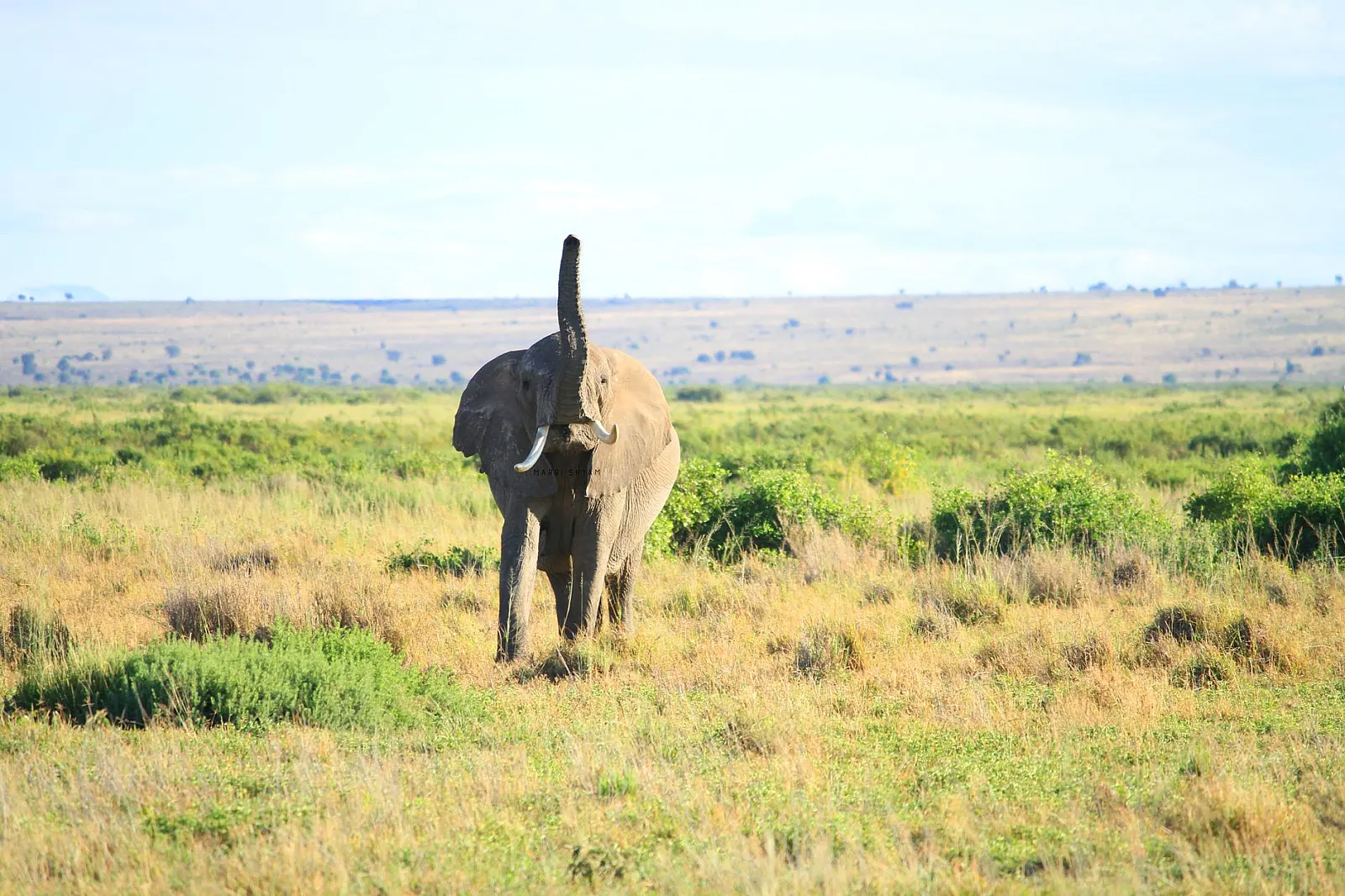
Kenya offers more variety per day travelled. The Masai Mara has among the highest lion densities recorded in Africa, around 17 per 100 km² on an Oxford University estimate. Amboseli is the best elephant viewing in either country and has Kilimanjaro as a backdrop; Samburu holds northern species found nowhere in Tanzania's northern circuit. If you want to see three distinctly different landscapes in a week, Kenya does it and Tanzania does not.
Which is more crowded?
Kenya's central Mara is the more congested core. Its own Management Plan 2023–2032 records crossings "often exceeding 150 vehicles at a single crossing", cites recorded densities of about 1.93 visitors per km² in the Central Mara against a target of 1 to 1.2, and freezes all new bed capacity for the plan period (plan summary). Kenya's answer is the private conservancy system: Mara North caps sightings at five vehicles, Naboisho at four, and only guests of member camps may drive there.
Tanzania's crowding is more concentrated in two spots — the Ngorongoro Crater floor, where an enclosed space makes every vehicle visible, and Seronera in the central Serengeti in July and August. Outside those, the Serengeti is genuinely empty. If you want low vehicle density without paying conservancy rates, the northern and western Serengeti is the better bet; if you will pay for it, Kenya's conservancies are the most reliably quiet product in either country.
When should you go, and does the month change the answer?
- January to March: Tanzania. The wildebeest calving season on the southern Serengeti plains and around Ndutu is the year's best predator viewing, with far fewer vehicles than the crossings. The Mara is good and cheap at US$100 entry, but has no migration.
- April to May: Either, cheaply, if you accept rain. This is the only window with reduced Serengeti fees (low season runs 15 March to 15 May). Some camps close.
- June: Tanzania, as the herds move north and the Mara is still in its US$100 band but without crossings.
- July to October: Genuinely contested. The Mara River crossings occur on both sides of the border. Kenya is the shorter, simpler trip; Tanzania's northern Serengeti is quieter but harder to reach. Mara entry doubles to US$200 from 1 July.
- November to December: Either. Short rains, herds returning south, fewer people, good value in Tanzania and high-season fees still in force in Kenya.
Can you combine both countries?
Yes, and for two weeks or more it is often the strongest itinerary, because it lets you see the same ecosystem from both sides. Budget for two entry authorisations, an international sector, and two sets of park fees. Below about ten days, combining is usually a mistake: you spend the saved variety on transfers.
Who should choose which?
- Choose Kenya if you have seven days or fewer, want several different landscapes, are travelling with children who will not tolerate long drives, want river crossings on a short trip, or want the enforced low-vehicle experience of a private conservancy.
- Choose Tanzania if you have ten days or more, want the Serengeti and the Ngorongoro Crater, want black rhino, want the calving season, or want large areas with very few vehicles in them.
- Choose on budget only carefully. Tanzania's per-park fees are lower but its circuit is longer; Kenya's Mara is the most expensive single gate in either country between July and December. The country is not the variable that decides your cost — the parks and the month are.
A note on fee accuracy
Fee schedules in both countries are currently unsettled, and any figure you are quoted should be checked against the operator's own booking terms. Tanzania's most recent published TANAPA tariff is headed "From 1st July 2023 to 30th June 2024" and remains the current published schedule. In Kenya, the Kenya Wildlife Service tariff that took effect on 1 October 2025 was challenged in the High Court, and a conservatory order restraining the new rates was reported in October 2025; no final judgment has been publicly reported. KWS continues to publish the higher figures used in the table above, while some operators still quote the previous rates (Amboseli US$60, Tsavo US$52, Nairobi US$43). Mara reserve fees are set separately by Narok County and are unaffected by that case.