Masai Mara vs Serengeti: An Honest Comparison
Are the Masai Mara and the Serengeti the same place?
Ecologically, almost. The Masai Mara National Reserve is the Kenyan northern tip of the Serengeti–Mara ecosystem; the international border is the only thing that separates them, and the wildebeest ignore it. The difference that matters to a traveller is size. The Mara reserve covers 1,510 km², plus a ring of private conservancies on its northern and eastern edges. Serengeti National Park covers 14,763 km² (UNESCO), roughly ten times the reserve.
That ratio drives the whole comparison. A small, well-watered, gently rolling reserve concentrates animals and vehicles together. A very large park spreads both out. Neither is better; they produce different days.
Which has the better wildlife?
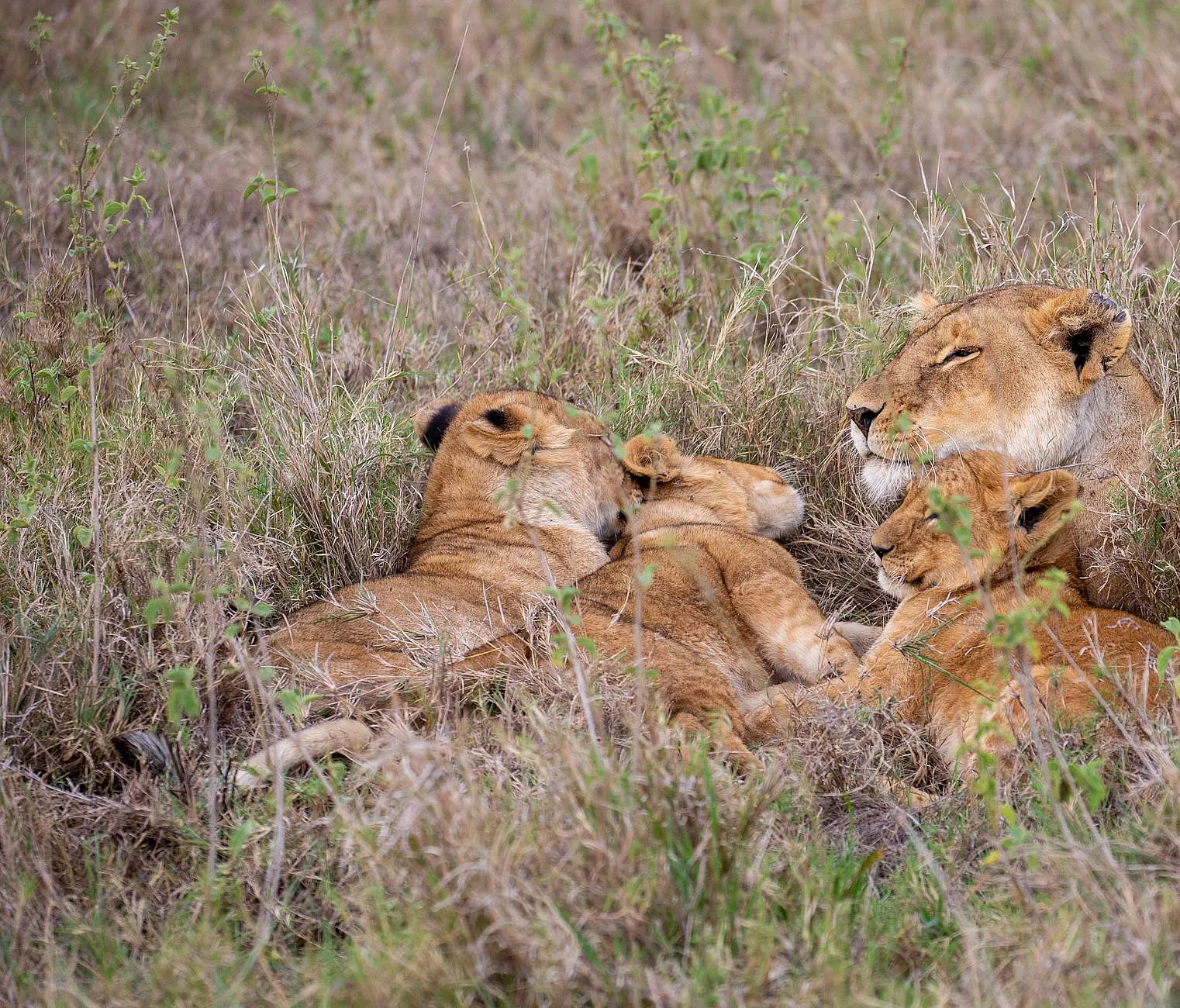
For big cats per square kilometre, the Mara is exceptional. A University of Oxford study using a new survey method estimated about 420 lions over the age of one in the reserve and surrounding conservancies, close to 17 lions per 100 km² and among the highest densities recorded anywhere in Africa. The Mara's open grassland and short sightlines also make leopard and cheetah easier to find than the raw numbers suggest.
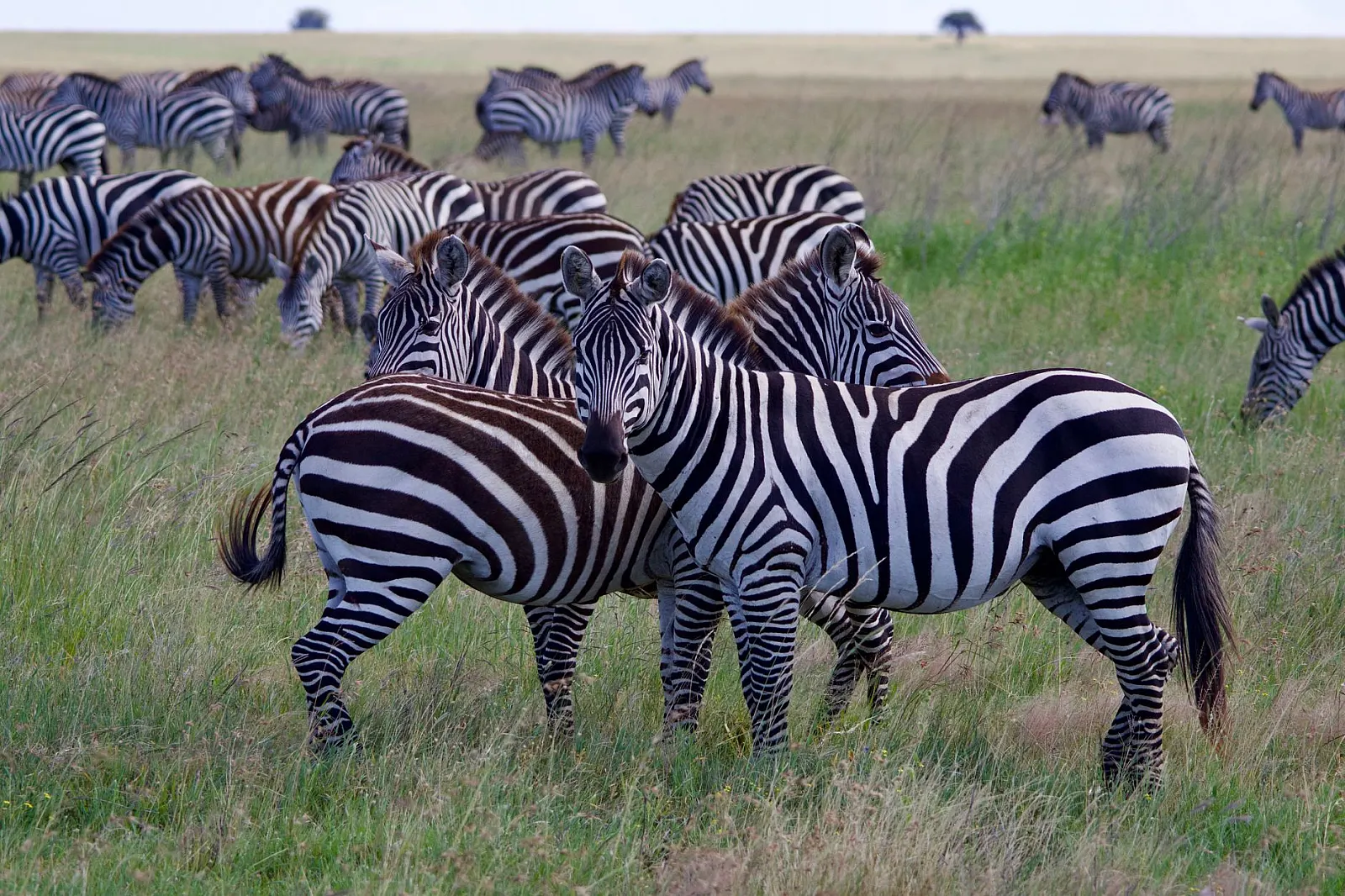
For sheer quantity and for range of habitat, the Serengeti wins. It carries the bulk of the migration — over 1.3 million wildebeest, around 250,000 zebra and 300,000 Thomson's gazelle in the ecosystem, per Africa Geographic — across plains, kopjes, riverine forest and woodland, and it holds a lion population commonly cited above 3,000, though that figure is repeated by operators more often than it is sourced to a current census.
Rhino is a genuine point of difference. The Mara's black rhino population is small but monitored and growing; the Sheldrick Wildlife Trust reported a Mara population of 57 in March 2026. Black rhino in the Serengeti are far rarer and not a realistic target.
How do they compare side by side?
| Masai Mara National Reserve | Serengeti National Park | |
|---|---|---|
| Area | 1,510 km² plus adjoining private conservancies | 14,763 km² |
| Country | Kenya (Narok County) | Tanzania |
| Non-resident adult entry | US$100 per day, 1 Jan–30 Jun; US$200 per day, 1 Jul–31 Dec | US$60 net low season / US$70 net peak, plus 18% VAT (US$70.80 / US$82.60) |
| Ticket validity | 12 hours, 06:00–18:00, does not carry overnight | 24 hours from entry |
| Season definition for fees | Calendar halves: Jan–Jun low, Jul–Dec high | Low only 15 Mar–15 May; peak 16 May–14 Mar |
| Migration presence | Roughly July to October | Year-round, moving between sectors |
| River crossings | Mara River, late July to October | Mara and Grumeti rivers; Mara crossings in the north, same months |
| Lion density | Approx. 17 per 100 km² (Oxford estimate) | Lower per km², far larger total |
| Vehicle pressure | High in the central reserve; controlled in conservancies | High at Seronera in peak; low elsewhere |
| Access from a major city | Nairobi: 45–60 min flight, or 5–6.5 hours by road | Arusha: 6–8 hours by road, or a scheduled airstrip flight |
Which is more crowded?
This is the question most comparisons avoid, so here is the documented answer. The Maasai Mara National Reserve Management Plan 2023–2032 identifies vehicle congestion as a principal management problem and records crossings "often exceeding 150 vehicles at a single crossing". It sets an optimal visitor density target of 1 to 1.2 visitors per km², against a recorded figure of roughly 1.93 in the Central Mara and 1.22 in the Mara Triangle, and about 0.5 to 0.6 in comparable conservancies. The plan's response is a freeze: no new tourism accommodation and no expansion of bed capacity for the full plan period (plan summary).
Those numbers describe the central reserve in high season. The private conservancies are a different product, and the difference is structural rather than marketing: landowners are paid per bed, so low density is in their financial interest. Mara North limits sightings to five vehicles; Mara Naboisho to four. Only guests of member camps may drive there, which is what makes the limit enforceable.
The Serengeti's congestion is concentrated, not general. Seronera in July and August is genuinely busy around cat sightings. The northern Serengeti at a Mara River crossing can also draw large numbers of vehicles, though from a smaller lodge base than the Kenyan side. Away from those points, the park is empty in a way the Mara reserve never is.
What does each cost?
The Mara is the more expensive gate. Narok County sets non-resident entry at US$100 per adult per day from 1 January to 30 June and US$200 from 1 July to 31 December, per the Mara Conservancy fee schedule. Two details catch people out. First, the ticket is valid 12 hours, 06:00 to 18:00, and does not carry overnight, so a three-night stay normally means four days of fees. Second, the frequently repeated claim that the Mara Triangle is cheaper is false: the Triangle charges the same schedule, differing only in cashless payment and its own vehicle tariff.
The Serengeti is cheaper per day and its ticket runs a full 24 hours from entry. At US$82.60 gross in peak season it is under half a Mara high-season day. Against that, Tanzanian trips are usually longer and involve more internal transfers, so the total often converges. If you are comparing quotes, check whether Serengeti fees have had 18% VAT added — TANAPA publishes net and some operators quote net.
When should you go?
If river crossings are the point, the answer is late July to October, and the Mara is the more efficient way to see them on a short trip. If you want migration without crowds, January to March in the southern Serengeti and Ndutu delivers the calving season, when hundreds of thousands of calves are born and predator activity is at its most concentrated, at a fraction of the vehicle pressure. April and May are wet in both, and the only window with reduced Serengeti fees.
Outside July to October the Mara is still very good — resident plains game and cats do not leave — and entry drops to US$100. That combination of low season fees and resident cats makes February to March an underrated Mara window.
Can you do both in one trip?
Yes, and for a two-week trip it is often the best structure, because you see the same migration from two sides. Most itineraries link them by air rather than overland. Budget for two sets of park fees, two visas and an international transfer, and be honest that a combined trip under ten days will feel rushed.
Who is each better for?
- Choose the Masai Mara if you have under a week, are flying into Nairobi, want the shortest possible transfer to good game viewing, want river crossings, or want big cats at high density.
- Choose the Serengeti if you have eight days or more, want space and quiet, are travelling on a tighter daily park budget, or want the calving season rather than the crossings.
- Choose a Mara conservancy if crowding is your main worry and budget allows — the vehicle limits are enforced, and night drives and walking are permitted where the reserve forbids them.