 SafariRoamer
Safari with Children: Official Age Rules and Child Fee Bands by Park
Last reviewed 2 November 2026.
This guide collects what park authorities and governments actually publish about children, park by park, so a rule is not discovered at the gate. It is information from official documents, not legal advice, and tariffs change without notice. Visa and entry rules are covered separately in our visa and entry requirements guide.
What are the age lines that matter most?
Two kinds of rule are easy to confuse. A minimum age decides whether a child may do an activity at all. A fee band only decides what a child pays. The authorities below use different fee bands, so there is no single African "child" age: a child at one gate can be an adult at the next.
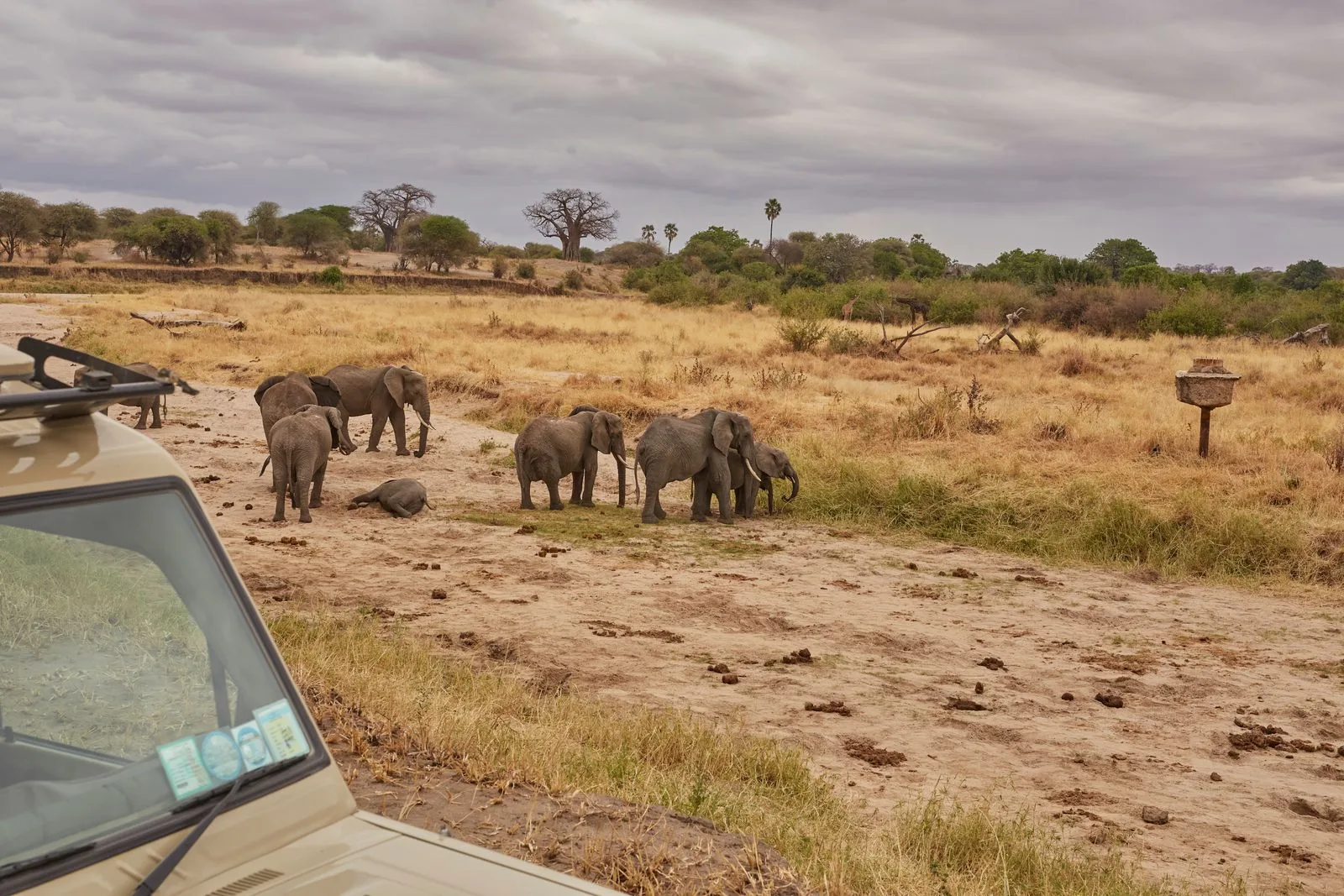
Gorilla and chimpanzee trekking: 15 and 12
The Uganda Wildlife Authority conservation tariff for July 2024 to June 2026 states "Minimum age for tracking is 15 years" in its gorilla rules, and "Minimum Age for tracking is 12 years" in its chimpanzee rules. UWA's Bwindi park leaflet repeats the gorilla rule: visitors participating in gorilla tracking must be aged 15 or over. UWA's rates page still links this tariff but also lists a "Tariff changes 2026-2027" document we could not read, so check it.
Rwanda sets the same gorilla limit. Visit Rwanda's gorilla page says the minimum age limit to track gorillas is 15, and the Rwanda Development Board booking portal says tracking can be done by persons aged 15 and above. Our sources describe no waiver or alternative activity for younger children, so ask your lodge.
Both countries also bar anyone with a cold, flu or other contagious illness from visiting the gorillas. UWA's park entrance fees are separate from permits: its tariff defines children as aged 5 to 15, exempts under-5s, and says entrance fees are independent of package activities such as tracking. For permit prices see Uganda gorilla permit prices and Rwanda gorilla permit prices, and for the comparison Rwanda vs Uganda gorilla trekking.
Tanzania: what do TANAPA and Ngorongoro charge children?
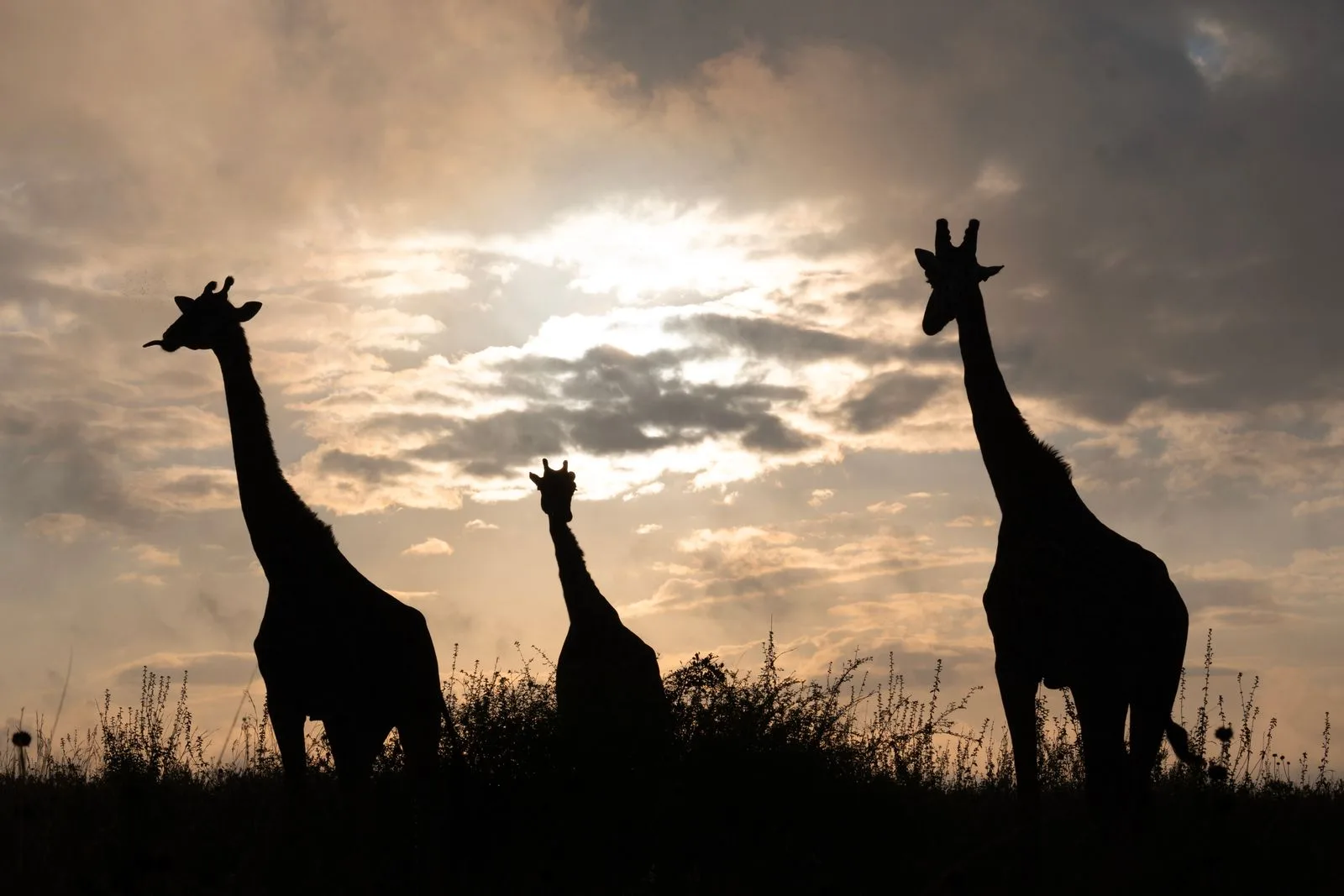
TANAPA's tariff page, headed financial year 2023/2024 and "valid until June 2024", says children under 5 enter free and child rates apply to ages 5 to 15. In the PDF, the non-East-African child conservation fee is US$20 per day at Serengeti, Nyerere and Kilimanjaro (adults of 16 and over: US$70 at Serengeti and Nyerere in peak season, US$60 in low season), and US$15 at Tarangire, Lake Manyara and Arusha (adults US$50 peak, US$45 low). Whether these include 18% VAT is disputed; our Tanzania park fees guide explains the conflict.
Activities have their own age wording. The same tariff prices short walks (1 to 4 hours) at US$20 for adults and US$10 for "children of or above 12 years", and long walks at US$25 and US$15. It lists no price for children under 12, and says nothing about whether they are refused, so ask the park. Night game drives in the listed parks, including Tarangire and Lake Manyara, are priced at US$50 for those 16 and over and US$25 for ages 5 to 15, with "specific guidelines applied".
The Ngorongoro Conservation Area Authority publishes its own tariff. Its entry permit table gives under-5s free and a non-East-African child US$23.60 against US$70.80 for adults (16 and over); that is the TANAPA figure plus 18%, but the NCAA page does not itself mention VAT. Its child row is labelled "Children aged 5 years and below" while other sections say "aged 5 years and below 16 years", so the band is probably 5 to 15 but the wording is ambiguous. NCAA walking guide fees are headed "children from 12 years old to 16 years old", hot air balloon safaris are priced for those aged 8 and above (younger children show N/A), and horse riding and mountain biking are priced for 16 and over only.
Kenya: the Maasai Mara child band is 9 to 17
The Maasai Mara National Reserve is run by Narok County, not KWS. Its Finance Bill 2024 (a draft; the schedule is headed "Maasai Mara National Reserve Park Fees and Charges") defines non-resident children as 9 to 17 years of age and makes children of 8 years and below free. The Mara Triangle, managed by the Mara Conservancy, publishes the same 9 to 17 band, but words the free group as "under 8 years and below", so the status of an eight-year-old is unclear in that wording. The draft's 2023/24 non-resident child figure was US$50, but we found no current county notice, so treat it as historic.
Kenya Wildlife Service parks (Amboseli, Tsavo, Nairobi and others) have their own fee schedule; we could not read it, so we state no KWS child band.
South Africa: SANParks and the paperwork for minors
SANParks' Kruger pages, as recorded in our SANParks rest camps guide, charge the daily conservation fee for ages 12 and over as adults, 2 to 11 as children, and nothing for under-2s, and say children under 12 may not join the guided walks. SANParks pages were blocked to us on the day of writing, so we could not re-read them; confirm before booking.
Entering the country with a child is a separate matter. The South African government's FAQ on travelling with children says children under 18 generally need a valid passport and an unabridged birth certificate or equivalent document, plus a parental consent affidavit or court order if travelling with one parent or another adult, and a copy of the absent parent's ID or passport. It also says South African children on South African passports do not need a birth certificate. A Department of Home Affairs statement of 1 December 2018 says the affidavit must not be older than 6 months and exempts children holding a valid South African visa. A SAnews report of 25 September 2018 quotes the Minister saying foreign travellers would be asked for such documents only "by exception", while strongly recommending that they carry them. The official pages do not read the same, and we found no official notice dated after those, so the cautious reading is to carry the documents. Our South Africa timing guide describes a different position; where they differ, the government pages prevail.
Botswana, Zimbabwe, Zambia and Namibia
Official child rules for these four were the hardest to pin down. Our existing guides record that Botswana's DWNP fee notes make under-8s free but that sources disagree on the upper child age (Botswana camping fees), and that Namibia's Ministry and NWR place the end of childhood differently (Etosha and Sossusvlei NWR camps). For park walking safaris in Zimbabwe and Zambia we found no official minimum age on a page we could read. Get any operator's age limit in writing before paying. For malaria, which often decides a child's itinerary, see what the official guidance says.
What we could not verify
- Kenya Wildlife Service child age band and fees: the KWS site and the legal notice text could not be read.
- Current SANParks age limits and tariff: SANParks pages returned an access error on 2 November 2026; figures come from our earlier guide, and its 2025/26 tariff year ended on 31 October 2026.
- Minimum age for night drives in SANParks, chimpanzee tracking in Rwanda, and walking safaris in Zimbabwe, Zambia and Botswana: no official page read.
- The content of UWA's "Tariff changes 2026-2027" document (image-only PDF).
- Current Narok County child fees: the only schedule found is a draft Bill.
Sources
- Uganda Wildlife Authority, Conservation Tariff 2024-2026 (PDF), read 2 November 2026
- Uganda Wildlife Authority, UWA Rates page and Bwindi Impenetrable National Park leaflet, read 2 November 2026
- Visit Rwanda, Gorilla Tracking page, read 2 November 2026
- Rwanda Development Board, Mountain Gorilla Tracking booking portal page, read 2 November 2026
- Tanzania National Parks (TANAPA), Tariffs 2023/2024 (PDF) and tariff page, read 2 November 2026
- Ngorongoro Conservation Area Authority, Tariffs page, read 2 November 2026
- Narok County Government, Finance Bill 2024 (First Schedule, Maasai Mara National Reserve), read 2 November 2026
- Mara Conservancy, Conservation Fees page, read 2 November 2026
- Government of South Africa (gov.za), FAQ: requirements for travelling with children, read 2 November 2026
- Department of Home Affairs via gov.za, statement on requirements for children travelling through South African ports, 1 December 2018, read 2 November 2026
- SAnews, "Home Affairs eases visa regulations for travellers", 25 September 2018, read 2 November 2026