Siringit Serengeti Camp lies under acacia about six kilometres east of Seronera airstrip in the central Serengeti, roughly an hour from the Naabi Hill gate. The tents are around 45 square metres each, set on wooden platforms with private verandas and en-suite bathrooms. The camp is solar-powered and puts unusual emphasis on its kitchen, with menus developed by a Michelin-starred chef. Activities are morning and evening game drives, birdwatching and balloon flights. Its central position gives year-round access to the Seronera big cats, and migrating herds pass through the surrounding plains at around April to June. The operator also runs camps in Tarangire and a relocating migration camp.
What sets it apart
The food programme is the stated point of difference; the location itself is conventional central Serengeti.
Who it suits
Central Serengeti year-round; food-focused travellers; balloon flights.
The essentials
| Country | Tanzania |
| Where | Central Serengeti, about 6 km east of Seronera airstrip, Serengeti National Park |
| Property type | tented camp |
| Rooms | unverified. The operator's own site states ten canvas tents; Serengeti.com states nine, being eight standard plus one family tent. The sources differ by one unit. |
What it costs
No rate is published on the property's own site. Third-party reseller range only, not an official published rate: "January-February: $865; April-May: $509; July-October: $865 per person/night sharing" per https://www.serengeti.com/siringit-serengeti-camp.php, as listed September 2026. Siringit's own page publishes no rates.
A reseller's range tells you the bracket, not the price you would pay. We show it because it is the only public figure that exists, and we label it rather than present it as the property's own.
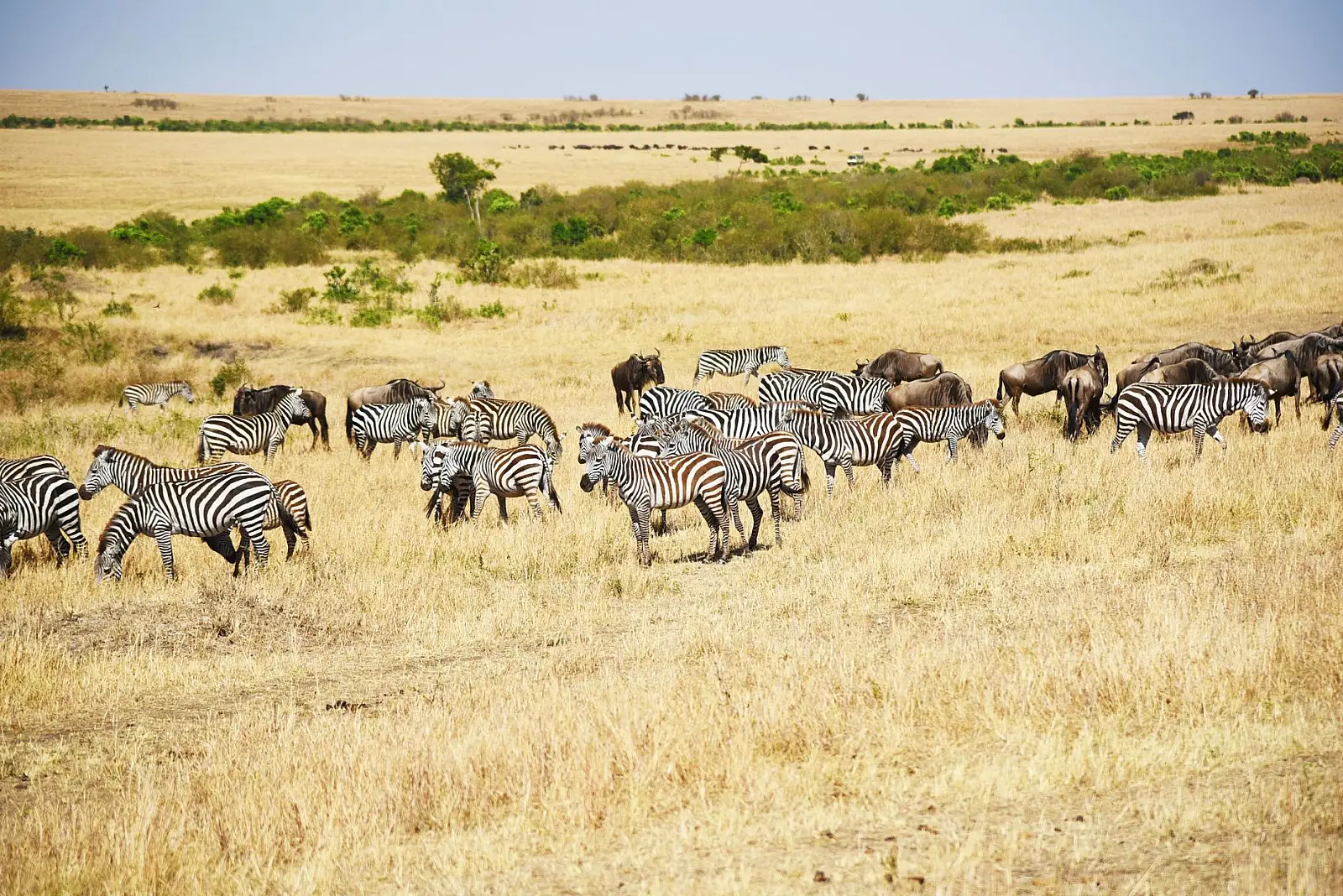
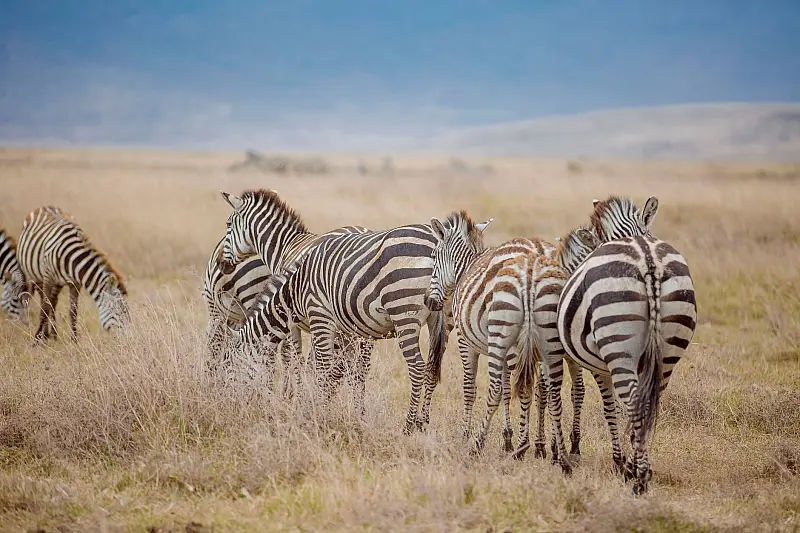
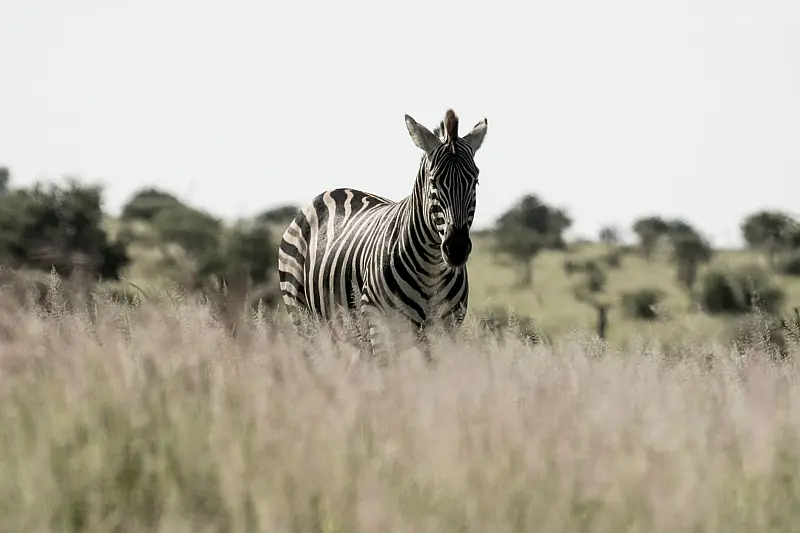
About the photographs
The pictures on this page are stock photographs of African bush and desert country, chosen to suggest the kind of landscape you find around the Serengeti, Tanzania. They are not photographs of this property, and we cannot verify where any of them was taken — a stock library records the photographer, not the place. We use them rather than borrow the property's own marketing images, which would imply we had been there. For pictures of the rooms, see the property's own site.