 SafariRoamer
Botswana, Zambia or Zimbabwe for a First Safari: What the Official Sources Say
Last reviewed 2 November 2026.
Botswana, Zambia and Zimbabwe share a river system, a transfrontier conservation area and a good deal of wildlife, but they are run by different park authorities with different rules. This guide sets out what the official sources say, so you can match a country to the kind of trip you want. It does not rank them: where we say a country "suits" something, we give the sourced fact behind it. Fees and visa terms change; the figures below carry their source and the date we read it.
How do the three countries compare at a glance?
- Botswana: the Okavango Delta is a UNESCO World Heritage Site, Chobe National Park covers about 11,700 sq km and Moremi Game Reserve about 3,900 sq km, according to the Botswana Tourism Organisation.
- Zambia: South Luangwa, Lower Zambezi and Kafue are the usual safari areas; Lower Zambezi National Park is part of a World Heritage Site shared with Zimbabwe's Mana Pools, per ZIMPARKS.
- Zimbabwe: Hwange National Park covers 14,650 sq km and is the country's largest; Mana Pools covers about 2,196 sq km (ZIMPARKS).
What do you need to enter, and what is the KAZA UniVisa?
Visa rules differ by nationality and change, so start with our visa and entry requirements guide and then check each government portal. One scheme is worth knowing about for a multi-country trip. The Zambia Department of Immigration describes the KAZA UniVisa as costing USD 50 and allowing multiple visits to both Zambia and Zimbabwe. It is valid up to 30 days in any period of 12 months, provided the holder stays within those two countries, and it also covers day trips into Botswana through the Kazungula border.
The same page says it is available only at named points of entry: Kenneth Kaunda and Harry Mwanga Nkumbula airports, the Victoria Falls and Kazungula borders on both sides, and Harare and Victoria Falls airports in Zimbabwe. An online application is possible only for the Zambian entry points. It lists the eligible nationalities, which include the United Kingdom, the United States, Germany and Italy, and states that Zambia and Zimbabwe hope to add the other three KAZA countries eventually, without a date. Botswana is therefore not part of the visa beyond day trips; plan a separate Botswana entry if you will stay overnight.
What does each country officially offer?
Botswana
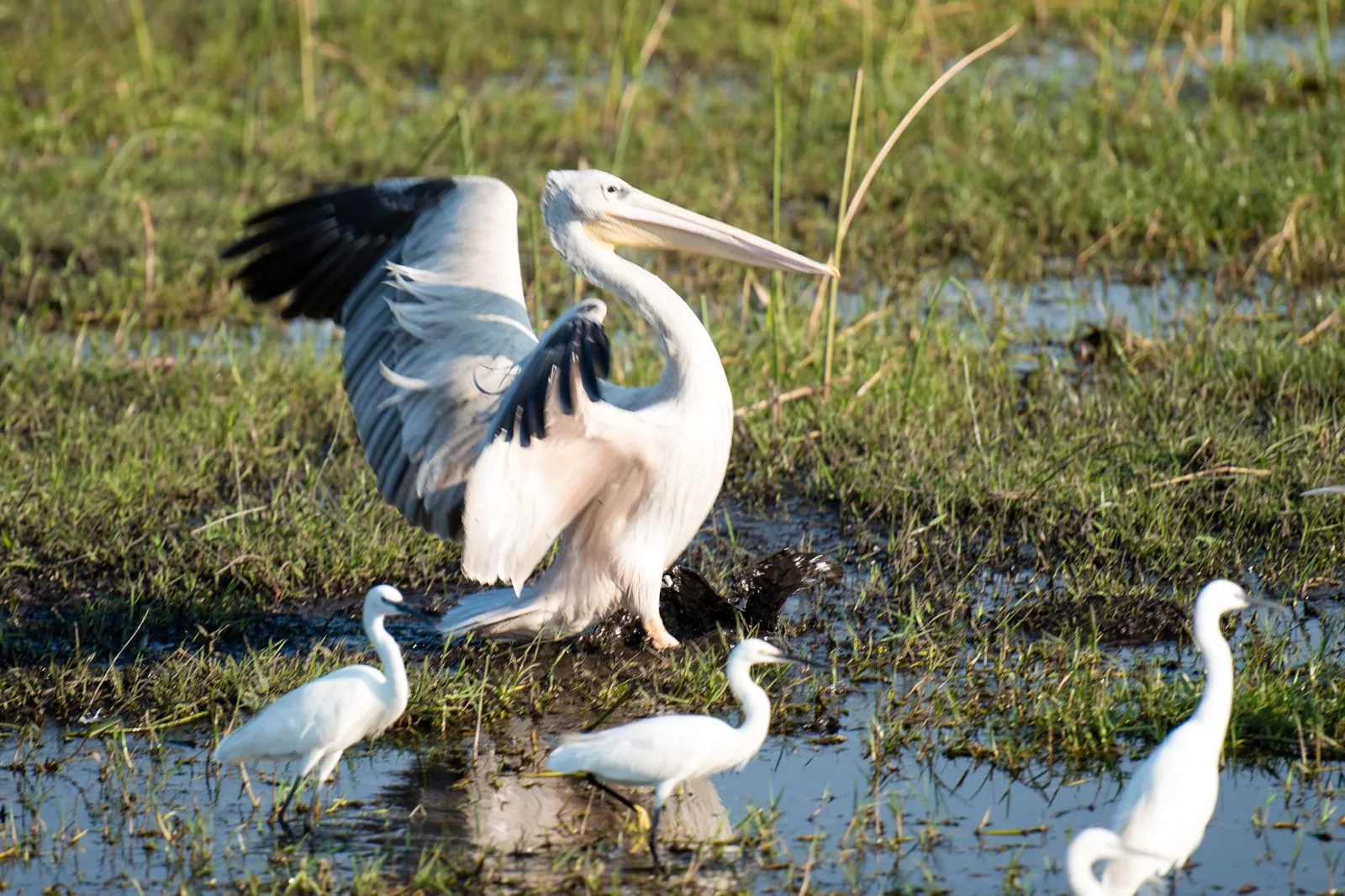
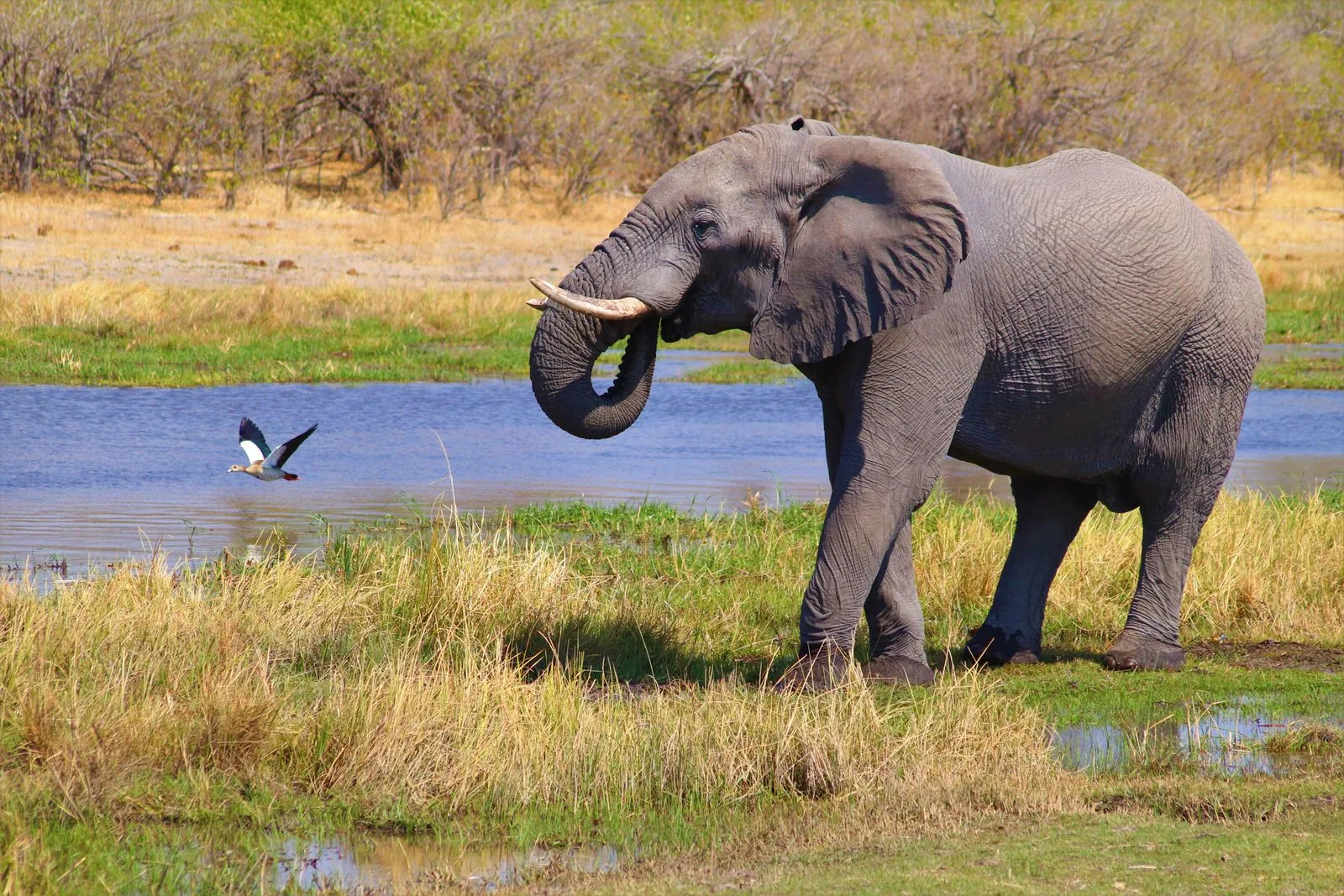
The Botswana Tourism Organisation describes the Okavango Delta's activities as game drives, boating and mokoro (dug-out canoe) trips, noting that activities differ from camp to camp. Chobe, established in 1968, has four areas: the Chobe Riverfront, the Ngwezumba pans, Savuté and Linyanti. The riverfront is described as the most accessible, with large elephant and buffalo herds drinking from the river in the dry winter months, and river cruises are listed alongside game drives. Kasane, the gateway town, is about 10 km from the park and about 80 km from Victoria Falls. Moremi, proclaimed in 1963, is described as the only officially protected part of the Delta and as a top-rated destination for self-drive campers. For lodge entries, see Chobe Game Lodge and Camp Moremi.
Zambia
Zambia's tourism agency site, which would normally be the primary source for South Luangwa, Lower Zambezi and Kafue, refused our automated requests (HTTP 403), so we have not quoted park descriptions or fees from it. What we can point to is our own seasonal guide, which explains why Zambian walking safaris depend on the grass dying back and why many camps close in the rains: see best time to go on safari in Zambia. For the Livingstone side of the Falls, see Royal Livingstone Hotel.
Zimbabwe
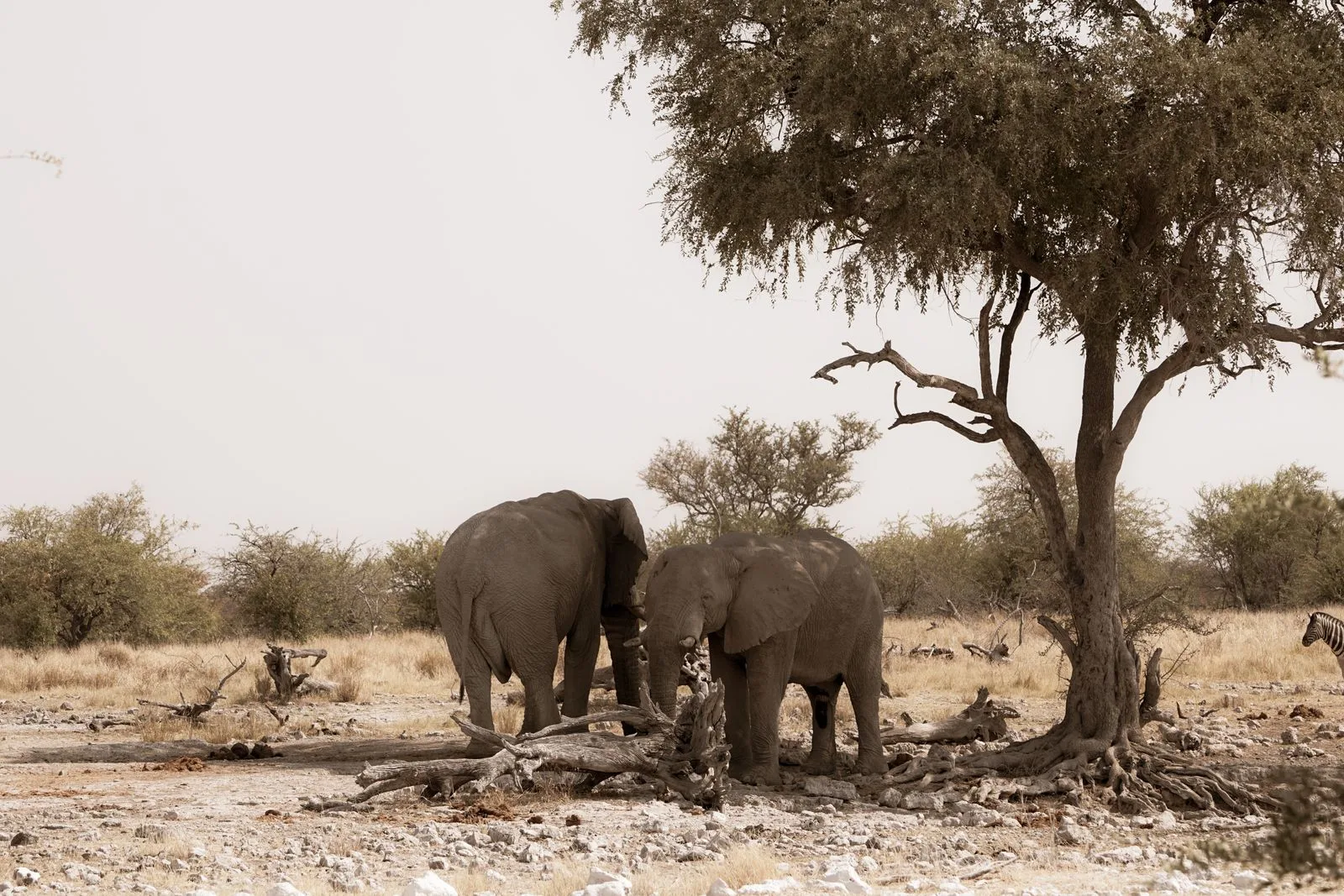
ZIMPARKS says Hwange has the largest elephant population in Zimbabwe, what it describes as Africa's largest population of the endangered wild dog, nearly 400 bird species and roads linking its camps; Main Camp is reached by tar road from the Bulawayo to Victoria Falls highway. Mana Pools is unusual: the Authority's 2023 to 2033 management plan states that unescorted walking is permitted anywhere in the park, without a ranger or professional guide, and promotes it as one of the primary features of the visit. The plan also records isolated fatalities over 40 years, mainly from elephant and buffalo. For Victoria Falls, see The Elephant Camp.
What do park fees look like?
Zimbabwe. The most recent ZIMPARKS rate sheet we could read is headed "2023 ZIMPARKS RATES" (published on its site; read 2 November 2026), with prices in US dollars. For Mana Pools, Sapi and Chewore, international visitors pay US$20 per person per day, whether day visitors or "accommodated". At Hwange's Main Camp, Robins and Sinamatella sectors the columns read US$20 for international day visitors and US$10 for international accommodated visitors. A foreign-registered saloon, pickup or 4x4 pays US$10 per day as a day visitor and US$3 as an accommodated visitor in both parks. ZIMPARKS' booking site adds a 50% discount on the conservation fee for children aged 6 to 12. Trade and press pages report higher 2026 rates for Mana Pools; we found no ZIMPARKS document confirming them, so check before you budget.
Botswana. We could not open the Department of Wildlife and National Parks (DWNP) tariff. The Daily News, published by the Botswana government (BOPA), reported on 24 February 2026 that the Minister proposed raising non-resident park entry fees from P380 to P500 and citizen fees from P30 to P50, with some changes starting on 1 April 2026 and others needing regulations to be gazetted. We found no confirmation of what is now charged, so we give no Botswana per-day figure. Campsite booking rules are in our Botswana self-drive guide.
Zambia. We could not read a Zambian tariff from an official source and so give no figure.
Can you self-drive in each country?
Botswana and Zimbabwe both publish self-drive information. Botswana's tourism board calls Moremi a top destination for self-drive campers, and DWNP requires a reservation voucher for public campsites (details in our self-drive guide). In Zimbabwe, ZIMPARKS' rate sheet prices private vehicles at Hwange and Mana Pools, and its booking FAQ mentions recovery gear for self-drive safaris and says a high-clearance vehicle is required for the roads into Mana Pools. Every client must report at Marongora, or at Chirundu if entering that way, for an entry permit into the Zambezi Valley. We did not verify Zambia's self-drive rules.
When should you go, and what about malaria?
Timing differs by country: see the guides for Botswana, Zambia and Zimbabwe. In short, all three have a dry season roughly from May to October. For health, our malaria guide summarises the NaTHNaC classifications: Zambia is high risk throughout the year, northern Botswana is high risk from October to May, and Zimbabwe's Zambezi valley carries year-round risk. This is general information, not medical advice; a travel health professional decides what you need.
Which country suits a first safari?
- Suits a first trip built around water and boats: Botswana, because the Delta's listed activities are mokoro and boating alongside game drives.
- Suits a first trip that includes self-guided walking: Mana Pools in Zimbabwe, because the management plan permits unescorted walking.
- Suits a first trip that uses one visa for two countries: Zambia plus Zimbabwe, because the KAZA UniVisa covers both for up to 30 days.
- Suits a trip with a few days of elephants by road: Hwange, because it holds Zimbabwe's largest elephant population and is linked by roads.
What we could not verify
- Any Zambian park fee or park description from an official site (Zambia Tourism returned HTTP 403).
- The Botswana per-person park fee now in force; only the February 2026 proposal was readable.
- Whether the higher 2026 ZIMPARKS rates reported in the press have been adopted.
- The date of the KAZA UniVisa page, which shows none.
Sources
- Zambia Department of Immigration, "KAZA UniVisa" page, read 2 November 2026
- ZIMPARKS, "2023 ZIMPARKS RATES" PDF, read 2 November 2026
- ZIMPARKS, Hwange National Park and Mana Pools National Park pages, read 2 November 2026
- ZIMPARKS, Mana Pools National Park Management Plan 2023 to 2033 (August 2023), read 2 November 2026
- ZIMPARKS booking site, Booking FAQs, read 2 November 2026
- Botswana Tourism Organisation, pages on Okavango Delta, Chobe National Park, Moremi Game Reserve and Kasane, read 2 November 2026
- Daily News (BOPA), "Tourism fees review afoot", 24 February 2026, read 2 November 2026